
Heat up your space not your energy bill
Start with an online quote or give us a call – it’s easy, free, and takes less than 60 seconds.


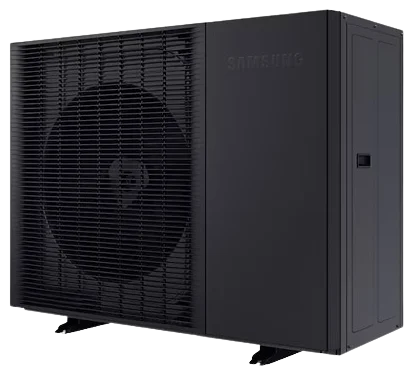

Save up to 90%
a year on your bills

Registered with
NiC EIC

Registered with
RECC

Partnership with
OVO






Get Your New Air Source Heat Pump
Get a fixed price in less than 60 seconds by answering some simple questions. Let’s start with:
Which option best describes your home?
Bungalow
Semi-Detached
Detached
Flat
Terraced
It’s as easy as…
01

Add your details
Select your ASHP from our list and answer a few simple questions to receive a personalised ASHP quotation.
02

Pick your ASHP
Browse through our range of ASHP systems, with key information provided for each option.
03

Choose install date
Our professional engineers will carry out the installation with minimal disruption.
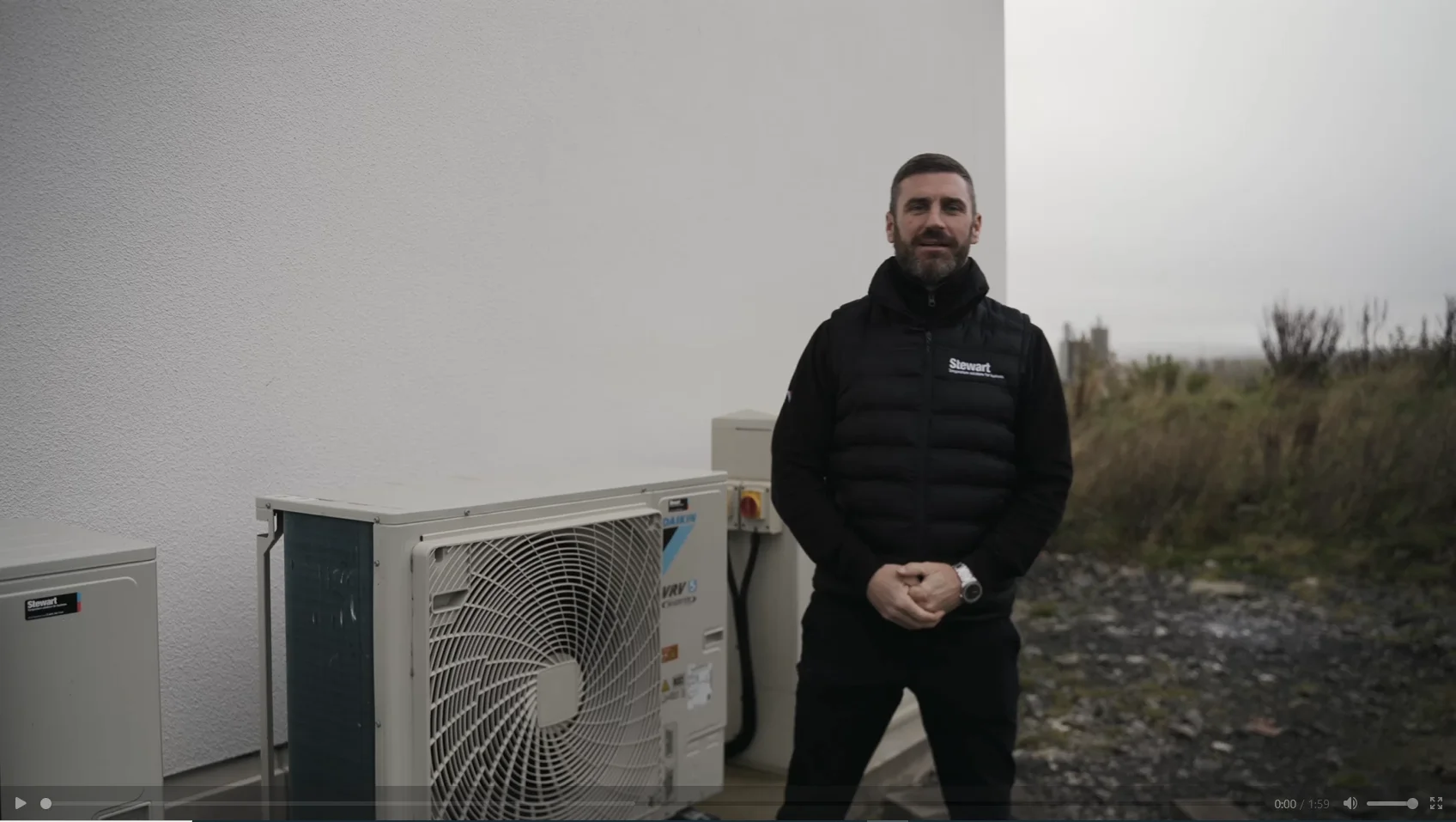
Introducing Stewart Temperature Solutions
Call 01292 833134
for more information, or contact us online
Air Source Heat Pump
Get Your Bespoke Air Source Heat Pump Quote in 3 Easy Steps
£7,500
Available
up to £9k with rural benefits
Do you qualify for a £7,500 central heating grant?
To qualify you need to :
There has never been a better time to protect yourself from future gas price rises with an Air Source Heat Pump. The new grant is now paid upfront but don’t waste time as it’s ‘First Come First Serve’.
Choose Stewart Temperature Solutions for Energy-Saving Solutions
At the Stewart Temperature Solutions, we specialise in energy-efficient solutions for homes and businesses. Our expert installers deliver a top-quality service, using innovative technology to reduce energy consumption and lower utility bills.

Our Accreditations
We are fully qualified and accredited by Heat Geek, MCS, RECC, CHAS, F-Gas and Trustmark.

High-Quality Products
We only install the latest, top quality products to guarantee unbeatable performance, reliability and durability.

Honest Quotes
Our surveyor will provide a detailed, transparent quote with no hidden fees and no obligation to continue.

Free ASHP Servicing
When you choose us to install your home heat pump, we include the first 2 annual services free of charge.

Customer Satisfaction
We ensure every job is completed to the highest standards.
Our Accreditations
We are fully qualified and accredited by Heat Geek, MCS, RECC, CHAS, F-Gas and Trustmark.
High-Quality Products
We only install the latest, top quality products to guarantee unbeatable performance, reliability and durability.
Honest Quotes
Our surveyor will provide a detailed, transparent quote with no hidden fees and no obligation to continue.
Free ASHP Servicing
When you choose us to install your home heat pump, we include the first 2 annual services free of charge.
Customer Satisfaction
We ensure every job is completed to the highest standards.
Choose Stewart Temperature Solutions for Energy-Saving Solutions
At the Stewart Temperature Solutions, we specialise in energy-efficient solutions for homes and businesses. Our expert installers deliver a top-quality service, using innovative technology to reduce energy consumption and lower utility bills.

Experts in the industry
Providing solutions crafted by seasoned professionals with deep expertise.

Quality of workmanship
Delivering unparalleled craftsmanship backed by meticulous attention to detail.

National coverage
Serving across the nation with a comprehensive network of services.

Google Reviews
Earning trust and acclaim through glowing reviews from satisfied customers.

Finance Available
Finance option available through Phoenix.

Guaranteed work
Assuring peace of mind with our commitment to delivering reliable results every time.

Multitrade
Versatile solutions are provided by our diverse team of multitalented tradespeople.

Sustainable Practices
Committed to eco-friendly solutions and sustainable practices for a greener future.

Proud Partners of OVO Solar & Heating
Powered by OVO

We’re proud partners of OVO Solar & Heating, bringing more renewable heating systems to homes in our area.
That means expert installation, fantastic offers, and the latest renewable tech – all helping you save on bills while making your home greener.
OVO is on a mission to make energy better and support renewable projects across the UK, and we’re proud to be part of it.
Thinking about how solar could work for your home? Let’s chat! Drop us a message to see how we could help!
What People Say About Us!
Frequently Asked Questions
Some of the most frequent questions we get asked.

Upgrade your air source heat pump today
Getting a quote takes less than 60 seconds.