
Single-Split or Multi-Split: Which Air Con Setup Suits Your Home?
Compare single-split and multi-split air conditioning systems for your Dumfries home. Discover how room layout, heating and cooling needs, and installation requirements can help you choose the right solution with Stewart Temperature Solutions.

Why you can trust our content
We know the air conditioning industry can be confusing, but we only rely on trusted sources, including:



At a glance
Choosing air conditioning for a home is not simply about selecting a unit with enough cooling power. The layout of the property, the number of rooms you want to control and how each space is used can all affect which system makes sense.
For some Dumfries homes, a single-split system serving one frequently used room may be all that is needed. For others, a multi-split arrangement can provide heating and cooling across several rooms while using a single outdoor unit.
The right approach is to consider how the system will work within the property rather than starting with a particular type of equipment. Stewart Temperature Solutions designs and installs air conditioning systems for homes, including systems that can provide both heating and cooling.
If you are considering air conditioning for one or several rooms, contact Stewart Temperature Solutions for advice based on your home’s layout and requirements.
What Is the Difference Between Single-Split and Multi-Split Air Conditioning?
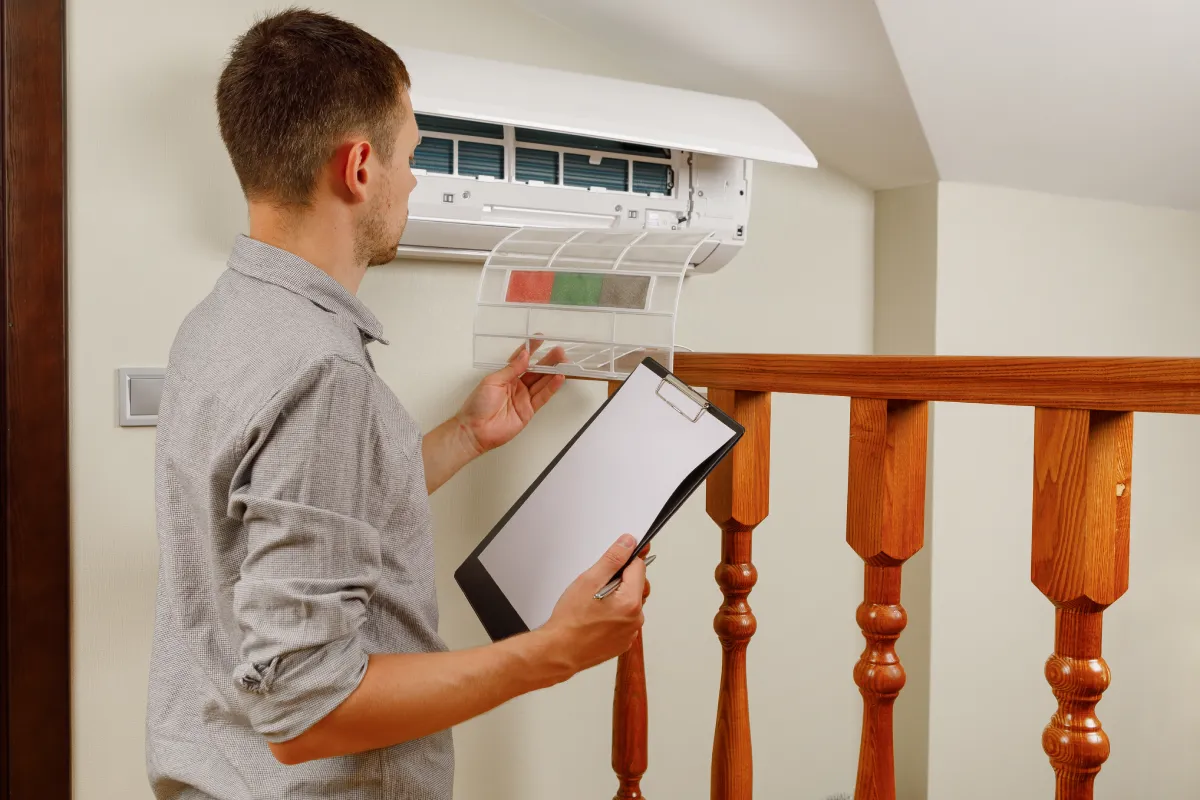
A single-split system normally consists of one indoor unit connected to one outdoor unit. It is a straightforward arrangement that can work well when the requirement is focused on a single room.
A multi-split system uses one outdoor unit connected to multiple indoor units. Each indoor unit can serve a different room, allowing several areas of a property to have their own temperature control.
The basic difference can be summarised as follows:
| Feature | Single-Split | Multi-Split |
| Outdoor units | One per indoor unit | One outdoor unit can serve several indoor units |
| Suitable for | One main room | Multiple rooms |
| Room control | Focused on one space | Individual indoor units can provide room-by-room control |
| Installation planning | Usually simpler | Requires more detailed planning |
| Pipework | Generally shorter and simpler | Longer or more complex routes may be required |
| Expansion | Additional systems may be needed | Multiple rooms can be planned around one outdoor unit |
Neither arrangement is automatically the right choice for every property. A system should be sized and planned around the rooms being served.
When Does a Single-Split System Make Sense?
A single-split installation can be practical when only one room needs dedicated heating or cooling.
For example, a homeowner may spend most of the day in a home office and want more control over that room without installing air conditioning throughout the property. Equally, a bedroom, conservatory, extension or living room may have different comfort requirements from the rest of the house.
A single-split system may be worth considering when:
- Only one room requires dedicated temperature control
- The room has a clear external wall suitable for installation
- You want a relatively focused installation
- Other rooms already have adequate heating and do not need air conditioning
- You want to avoid installing equipment in rooms that are rarely occupied
The physical arrangement of the property matters too. Indoor units need suitable positioning for effective air distribution, while the outdoor unit needs an appropriate location with consideration for access, airflow and installation requirements.
For homeowners researching air con Dumfries, it is therefore useful to think about the room that actually needs conditioning before considering a whole-home arrangement.
Could a Multi-Split System Be Better for Several Rooms?
A multi-split system becomes more relevant when several rooms need individual heating or cooling.
Rather than installing a separate outdoor unit for every indoor unit, multiple indoor units can be connected to a shared outdoor unit, subject to the equipment manufacturer’s specifications and the design of the installation.
This can be particularly useful where the rooms have different uses. A living room may need conditioning during the day, while bedrooms may be more important at night. A home office could have a different schedule again.
A properly planned system can therefore provide greater flexibility than trying to condition the whole property from one indoor unit.
However, multi-split installations involve more design considerations. The installer needs to assess the proposed indoor unit locations, pipework routes, outdoor unit position, capacity requirements and how the system will operate when different rooms are being used.
How Does Your Home Layout Affect the Choice?
Property layout is one of the most important factors when deciding between the two approaches.
An open-plan ground floor may allow one well-positioned indoor unit to cover a larger area, although the actual suitability depends on the room dimensions, heat gains, insulation and airflow.
By contrast, a property divided into several enclosed rooms may benefit from separate indoor units. Closing doors between rooms can significantly reduce the ability of one unit to distribute conditioned air throughout the rest of the property.
Consider:
- Number of rooms requiring heating or cooling
- Room sizes and ceiling heights
- Open-plan versus separate rooms
- Position of internal doors
- Available external wall space
- Practical routes for refrigerant pipework and drainage
- Where an outdoor unit could be positioned
- How frequently each room is occupied
A new air conditioner Dumfries installation should therefore be considered as part of the property rather than as an isolated appliance purchase.
If you are unsure whether your layout would suit one indoor unit or several, speak to the Stewart Temperature Solutions team before choosing equipment. A considered design can prevent unnecessary installation work later.


What type of property do you have?

Semi-Detached

Detached

Terraced

Bungalow

Flat

Commercial or Small Office
It just takes 60 seconds
And then you can book a free consultation
Does Every Room Need the Same Air Conditioning Capacity?
Not necessarily. Different rooms can have different heating and cooling requirements.
A small bedroom with limited external exposure may have very different requirements from a large south-facing living room with several windows. A home office containing computers and other equipment can also experience different heat gains from a rarely occupied room.
Other factors can include:
- Room dimensions
- Window size and orientation
- Solar gain
- Insulation
- Number of occupants
- Heat-producing appliances
- Desired room temperature
- How the room is used
This is why simply choosing identical indoor units for every room may not always be the best design approach.
Stewart Temperature Solutions states that its air conditioning systems can be tailored to different spaces and that air conditioning can be installed in individual rooms as well as across multiple rooms.
What Should You Consider Before Choosing a Multi-Split System?
The number of rooms is only one part of the decision.
Think about how the rooms relate to one another and how the property is used throughout the day. If three rooms are occupied at completely different times, individual control may be particularly useful.
You should also consider the future. If an extension, converted room or home office is planned, the installation design may need to account for potential changes.
A professional assessment should consider:
- Room requirements – Which spaces actually need heating or cooling?
- System capacity – Can the proposed system meet the combined demand?
- Indoor unit positioning – Will each unit distribute air effectively?
- Pipework routes – Can connections be installed neatly and practically?
- Outdoor unit position – Is there a suitable location with sufficient airflow and access?
- Controls – How will different rooms be operated?
- Future requirements – Is there any realistic possibility of needing additional coverage?
(Link to related blog: How Much Does Air Conditioning Cost?)
A Typical Dumfries Home Scenario
Imagine a two-storey home where the main living room, upstairs bedroom and home office are regularly used but at different times.
Installing one indoor unit in the hallway would not necessarily provide the same level of control as dedicated units in the rooms themselves. Closed doors and different occupancy patterns can make room-by-room conditioning more practical.
A multi-split design could allow the three spaces to have individual indoor units connected to an appropriately selected outdoor unit. The final arrangement would depend on the property’s construction, room sizes, equipment specifications and suitable pipework routes.
In another home, only a conservatory may become uncomfortably warm in summer and difficult to heat in colder weather. In that situation, a single-split system could be a more proportionate solution.
The important point is that the same number of rooms does not automatically mean the same air conditioning design.
Is a Multi-Split System Always the Better Option?
No. A multi-split system can be useful for multi-room applications, but that does not make it the right choice for every property.
If only one room needs dedicated temperature control, a single-split system may avoid adding unnecessary equipment elsewhere.
There can also be practical considerations around the outdoor unit, pipework and installation complexity. A professional installer should explain these factors rather than simply recommending the system with the greatest number of indoor units.
For homeowners comparing new air conditioner Dumfries options, the better question is often not “Which system is most powerful?” but “Which arrangement matches how this property is actually used?”
What Should Be Included in an Air Conditioning Plan?
Before installation, homeowners should have a clear understanding of what is being proposed.
A useful plan should identify:
- Rooms being conditioned
- Proposed indoor unit locations
- Outdoor unit location
- Approximate pipework routes
- Heating and cooling requirements
- Control arrangements
- Any access or installation considerations
- What is included in the quotation
A detailed plan also makes it easier to compare quotations on a like-for-like basis.
Stewart Temperature Solutions says its surveyor provides detailed, transparent quotations, while its air conditioning service includes a process covering the initial requirements, equipment selection and professional installation.
Related articles



What type of property do you have?
Semi-Detached
Detached
Terrace
Bungalow
Flat
Commercial or Small Office
At a glance
Choosing air conditioning for a home is not simply about selecting a unit with enough cooling power. The layout of the property, the number of rooms you want to control and how each space is used can all affect which system makes sense.
For some Dumfries homes, a single-split system serving one frequently used room may be all that is needed. For others, a multi-split arrangement can provide heating and cooling across several rooms while using a single outdoor unit.
The right approach is to consider how the system will work within the property rather than starting with a particular type of equipment. Stewart Temperature Solutions designs and installs air conditioning systems for homes, including systems that can provide both heating and cooling.
If you are considering air conditioning for one or several rooms, contact Stewart Temperature Solutions for advice based on your home’s layout and requirements.
What Is the Difference Between Single-Split and Multi-Split Air Conditioning?
A single-split system normally consists of one indoor unit connected to one outdoor unit. It is a straightforward arrangement that can work well when the requirement is focused on a single room.
A multi-split system uses one outdoor unit connected to multiple indoor units. Each indoor unit can serve a different room, allowing several areas of a property to have their own temperature control.
The basic difference can be summarised as follows:
| Feature | Single-Split | Multi-Split |
| Outdoor units | One per indoor unit | One outdoor unit can serve several indoor units |
| Suitable for | One main room | Multiple rooms |
| Room control | Focused on one space | Individual indoor units can provide room-by-room control |
| Installation planning | Usually simpler | Requires more detailed planning |
| Pipework | Generally shorter and simpler | Longer or more complex routes may be required |
| Expansion | Additional systems may be needed | Multiple rooms can be planned around one outdoor unit |
Neither arrangement is automatically the right choice for every property. A system should be sized and planned around the rooms being served.
When Does a Single-Split System Make Sense?
A single-split installation can be practical when only one room needs dedicated heating or cooling.
For example, a homeowner may spend most of the day in a home office and want more control over that room without installing air conditioning throughout the property. Equally, a bedroom, conservatory, extension or living room may have different comfort requirements from the rest of the house.
A single-split system may be worth considering when:
- Only one room requires dedicated temperature control
- The room has a clear external wall suitable for installation
- You want a relatively focused installation
- Other rooms already have adequate heating and do not need air conditioning
- You want to avoid installing equipment in rooms that are rarely occupied
The physical arrangement of the property matters too. Indoor units need suitable positioning for effective air distribution, while the outdoor unit needs an appropriate location with consideration for access, airflow and installation requirements.
For homeowners researching air con Dumfries, it is therefore useful to think about the room that actually needs conditioning before considering a whole-home arrangement.
Could a Multi-Split System Be Better for Several Rooms?
A multi-split system becomes more relevant when several rooms need individual heating or cooling.
Rather than installing a separate outdoor unit for every indoor unit, multiple indoor units can be connected to a shared outdoor unit, subject to the equipment manufacturer’s specifications and the design of the installation.
This can be particularly useful where the rooms have different uses. A living room may need conditioning during the day, while bedrooms may be more important at night. A home office could have a different schedule again.
A properly planned system can therefore provide greater flexibility than trying to condition the whole property from one indoor unit.
However, multi-split installations involve more design considerations. The installer needs to assess the proposed indoor unit locations, pipework routes, outdoor unit position, capacity requirements and how the system will operate when different rooms are being used.
How Does Your Home Layout Affect the Choice?
Property layout is one of the most important factors when deciding between the two approaches.
An open-plan ground floor may allow one well-positioned indoor unit to cover a larger area, although the actual suitability depends on the room dimensions, heat gains, insulation and airflow.
By contrast, a property divided into several enclosed rooms may benefit from separate indoor units. Closing doors between rooms can significantly reduce the ability of one unit to distribute conditioned air throughout the rest of the property.
Consider:
- Number of rooms requiring heating or cooling
- Room sizes and ceiling heights
- Open-plan versus separate rooms
- Position of internal doors
- Available external wall space
- Practical routes for refrigerant pipework and drainage
- Where an outdoor unit could be positioned
- How frequently each room is occupied
A new air conditioner Dumfries installation should therefore be considered as part of the property rather than as an isolated appliance purchase.
If you are unsure whether your layout would suit one indoor unit or several, speak to the Stewart Temperature Solutions team before choosing equipment. A considered design can prevent unnecessary installation work later.
What type of property do you have?
Semi-Detached
Detached
Terraced
Bungalow
Flat
Commercial or Small Office
It just takes 60 seconds
And then you can book a free consultation
Does Every Room Need the Same Air Conditioning Capacity?
Not necessarily. Different rooms can have different heating and cooling requirements.
A small bedroom with limited external exposure may have very different requirements from a large south-facing living room with several windows. A home office containing computers and other equipment can also experience different heat gains from a rarely occupied room.
Other factors can include:
- Room dimensions
- Window size and orientation
- Solar gain
- Insulation
- Number of occupants
- Heat-producing appliances
- Desired room temperature
- How the room is used
This is why simply choosing identical indoor units for every room may not always be the best design approach.
Stewart Temperature Solutions states that its air conditioning systems can be tailored to different spaces and that air conditioning can be installed in individual rooms as well as across multiple rooms.
What Should You Consider Before Choosing a Multi-Split System?
The number of rooms is only one part of the decision.
Think about how the rooms relate to one another and how the property is used throughout the day. If three rooms are occupied at completely different times, individual control may be particularly useful.
You should also consider the future. If an extension, converted room or home office is planned, the installation design may need to account for potential changes.
A professional assessment should consider:
- Room requirements – Which spaces actually need heating or cooling?
- System capacity – Can the proposed system meet the combined demand?
- Indoor unit positioning – Will each unit distribute air effectively?
- Pipework routes – Can connections be installed neatly and practically?
- Outdoor unit position – Is there a suitable location with sufficient airflow and access?
- Controls – How will different rooms be operated?
- Future requirements – Is there any realistic possibility of needing additional coverage?
(Link to related blog: How Much Does Air Conditioning Cost?)
A Typical Dumfries Home Scenario
Imagine a two-storey home where the main living room, upstairs bedroom and home office are regularly used but at different times.
Installing one indoor unit in the hallway would not necessarily provide the same level of control as dedicated units in the rooms themselves. Closed doors and different occupancy patterns can make room-by-room conditioning more practical.
A multi-split design could allow the three spaces to have individual indoor units connected to an appropriately selected outdoor unit. The final arrangement would depend on the property’s construction, room sizes, equipment specifications and suitable pipework routes.
In another home, only a conservatory may become uncomfortably warm in summer and difficult to heat in colder weather. In that situation, a single-split system could be a more proportionate solution.
The important point is that the same number of rooms does not automatically mean the same air conditioning design.
Is a Multi-Split System Always the Better Option?
No. A multi-split system can be useful for multi-room applications, but that does not make it the right choice for every property.
If only one room needs dedicated temperature control, a single-split system may avoid adding unnecessary equipment elsewhere.
There can also be practical considerations around the outdoor unit, pipework and installation complexity. A professional installer should explain these factors rather than simply recommending the system with the greatest number of indoor units.
For homeowners comparing new air conditioner Dumfries options, the better question is often not “Which system is most powerful?” but “Which arrangement matches how this property is actually used?”
What Should Be Included in an Air Conditioning Plan?
Before installation, homeowners should have a clear understanding of what is being proposed.
A useful plan should identify:
- Rooms being conditioned
- Proposed indoor unit locations
- Outdoor unit location
- Approximate pipework routes
- Heating and cooling requirements
- Control arrangements
- Any access or installation considerations
- What is included in the quotation
A detailed plan also makes it easier to compare quotations on a like-for-like basis.
Stewart Temperature Solutions says its surveyor provides detailed, transparent quotations, while its air conditioning service includes a process covering the initial requirements, equipment selection and professional installation.
Related articles
What type of property do you have?
Semi-Detached
Detached
Terrace
Bungalow
Flat
Commercial or Small Office
