
Battery Quote Ayrshire: Upgrading Storage Without Replacing Everything
Solar battery systems can change considerably over the years. A battery that suited a household when the original solar installation was fitted may no longer provide enough storage as electricity use increases.

Why you can trust our content
We know the renewable energy industry can be confusing, but we only rely on trusted sources, including:



At a glance
That does not necessarily mean the whole system needs to be replaced. In many situations, it is possible to review the existing installation and identify whether additional or updated storage can be incorporated while retaining suitable equipment.
For homeowners in Ayrshire, understanding what can stay, what may need changing and how compatibility affects the project can make the upgrade process much clearer.
Can you upgrade battery storage without replacing the whole system?
Yes, in some installations, additional or replacement battery storage can be incorporated without replacing the entire solar system.
Whether this is possible depends on the design of the existing installation. The battery, inverter, controls and solar generation system all need to work together correctly.
An assessment may look at:
- The make and model of the existing battery
- Current battery capacity
- Inverter specifications
- Available solar generation
- Existing wiring and protection
- Battery management requirements
- Available installation space
- Current household electricity usage
A battery upgrade therefore needs to be treated as a system compatibility exercise rather than simply choosing a larger battery.
If your existing storage no longer meets your needs, contact Stewart Temperature Solutions to discuss whether a suitable upgrade can be added without unnecessary replacement of working equipment.
Why might a homeowner need more battery storage?
There are several reasons why an existing battery may no longer be enough.
The most obvious is increased electricity consumption. A household may have added an electric vehicle, heat pump, home office or other major electrical loads since the original solar installation.
Energy use can also change without new appliances being added. Families grow, working patterns change and people may spend more time at home. These changes can increase the amount of electricity used during periods when solar generation is lower.
Another common situation is having more solar electricity available than the existing battery can store. If the battery regularly reaches its maximum capacity while there is still useful solar generation available, additional storage may deserve consideration.
However, this needs to be assessed carefully. A battery should not be enlarged simply because bigger storage sounds more beneficial.
What should be checked before requesting a battery quote?
Before requesting a battery quote ayrshire homeowners should understand how the existing system currently performs.
Useful information can include:
| Information to review | Why it matters |
| Solar panel capacity | Shows potential energy generation |
| Existing battery size | Establishes current storage capacity |
| Inverter model | Determines compatibility and system limits |
| Daily electricity use | Helps identify suitable storage requirements |
| Exported solar energy | May show whether additional storage could be useful |
| Available installation space | Determines practical battery positioning |
| Future energy plans | Helps avoid choosing storage that soon becomes unsuitable |
Looking at actual usage patterns is particularly valuable. A battery that appears too small on paper may perform well for one household but be inadequate for another with significantly greater evening electricity consumption.
Is a bigger battery always the better option?
No. The right battery size depends on how much electricity the property generates, uses and can realistically store.
During periods of strong solar generation, a larger battery can potentially capture more surplus electricity for use later. However, the battery still needs enough available energy to charge.
For example, a home might have relatively modest solar generation during winter. Increasing battery capacity will not create additional electricity during periods when there is little surplus energy available.
The best upgrade therefore balances:
- Solar generation
- Household consumption
- Existing storage
- Future electricity demand
- Inverter capability
- Battery charging patterns
This is why an installer should look at the complete installation before recommending a specific capacity.
Can you keep your existing solar panels?
In many circumstances, yes.
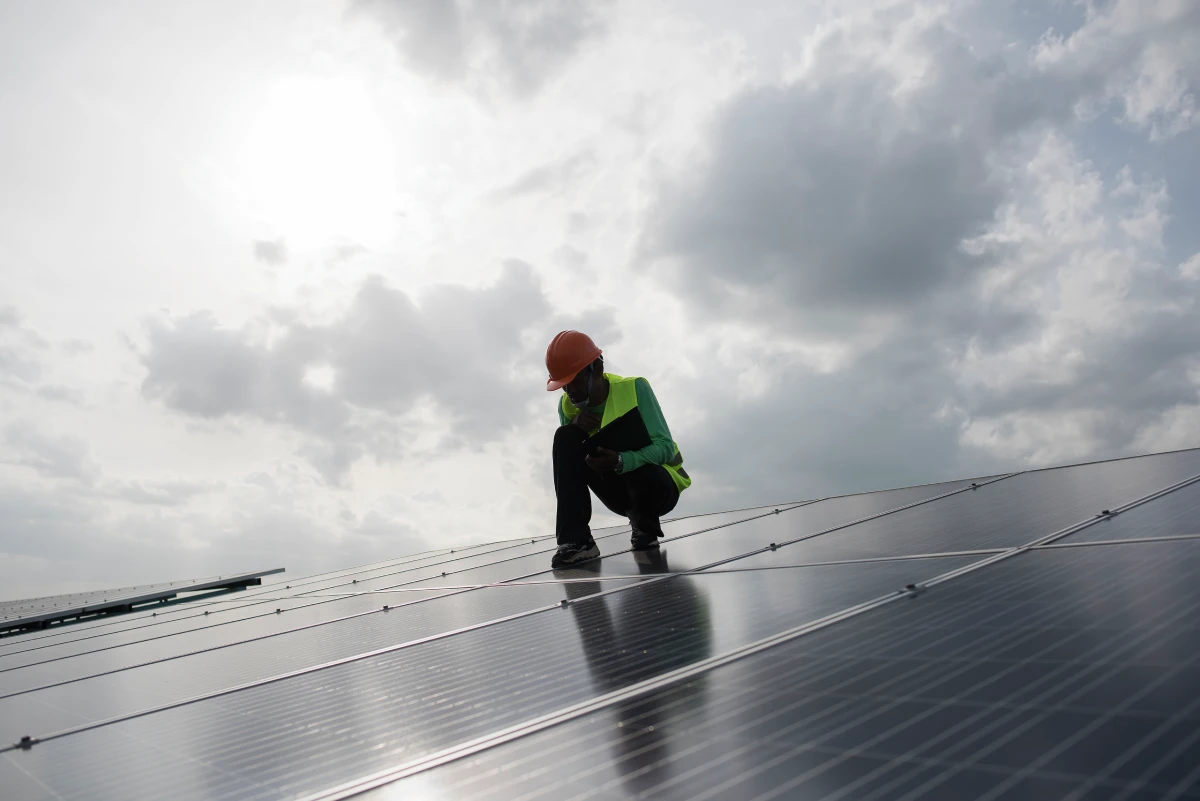
A battery upgrade does not automatically require replacing the existing solar panels. If the panels are performing properly and remain suitable for the system, they may continue to be used alongside updated storage.
The same principle can apply to other components. Some equipment may remain completely suitable while one part of the installation needs upgrading.
This can be an important consideration for homeowners who are concerned that increasing storage will mean starting again from scratch.
However, compatibility must always be checked. The proposed battery needs to operate correctly with the inverter and other equipment already installed.

To add to my existing solar system

As a standalone for off-peak charging
It just takes 60 seconds
And then you can enjoy energy independence
Does the inverter need replacing when adding a battery?
Not always.
The inverter is one of the key components that should be checked during any battery upgrade because its specifications can determine how the system handles charging, discharge and power flow.
An existing inverter may be fully suitable for the proposed battery. In other cases, it may have limitations that make replacement necessary.
The age of the inverter is also relevant. If it is already approaching the end of its useful working life, replacing it as part of a planned upgrade could prevent the homeowner from having to carry out another major change shortly afterwards.
A professional assessment can establish whether the existing inverter can support the proposed system.
When comparing a battery quote ayrshire homeowners should ask whether their existing inverter and other suitable components can remain in place, rather than assuming a complete replacement is required.
What can affect the price of a battery upgrade?
The cost of an upgrade depends on much more than the battery itself.
Several factors can influence the overall installation:
Battery capacity: Larger storage generally involves more equipment and higher material costs.
System compatibility: Additional components may be needed if existing equipment cannot communicate correctly with the proposed battery.
Installation complexity: The amount of work involved can vary depending on the existing layout and wiring.
Inverter requirements: A suitable existing inverter may reduce the scope of the work. An unsuitable unit may need replacing.
Location: Available space, access and the position of existing equipment can affect installation requirements.
Electrical protection: The system may require appropriate protection and associated equipment to match the new installation.
This is why online battery prices do not necessarily provide a useful indication of the final project cost. The complete installation needs to be considered.
How should you compare different battery quotes?
A quotation should be more than a single figure.
When comparing a battery installer near me, homeowners should look at what each quotation actually includes.
A useful comparison should cover:
- Battery make and model
- Usable storage capacity
- Installation work
- Compatibility with existing equipment
- Any inverter changes
- Electrical protection and associated components
- Monitoring or control equipment
- Warranty information
- Any commissioning and testing
- Future support
Two quotes can appear similar while covering very different scopes of work.
For example, one may include the battery and basic installation while another includes additional electrical equipment, system configuration and commissioning. Comparing the complete specification makes the decision much easier.
Should you choose the cheapest battery upgrade?
Not necessarily.
Battery storage is a long-term investment, so the cheapest initial option may not provide the best overall value.
A suitable system should be reliable, compatible with the existing installation and appropriately sized for the household. It should also have clear warranty arrangements and be installed correctly.
When choosing a battery installer near me, it can therefore be more useful to consider technical suitability, installation standards and long-term support alongside the initial price.
A lower-cost system that is poorly matched to the existing installation may provide less practical value than a slightly more comprehensive solution designed around actual energy usage.
A typical Ayrshire upgrade scenario
Consider a household with an existing solar array and battery installed several years ago. The family has since added an electric vehicle and now uses considerably more electricity in the evening.
The original battery still works correctly, but it frequently reaches its limit during periods of strong solar production. The homeowner is therefore interested in increasing storage.
An assessment could establish that the solar panels remain suitable, the existing inverter can support the proposed configuration and additional battery capacity can be introduced without replacing the entire installation.
This type of upgrade can improve the usefulness of the existing solar system while avoiding unnecessary replacement of equipment that remains in good condition.
What questions should you ask before agreeing to an upgrade?
Before proceeding, make sure the installer can explain how the proposed system will interact with your existing equipment.
Useful questions include:
- Can my current solar panels remain?
- Is my existing inverter compatible?
- How much usable battery storage will I have?
- What happens to my existing battery?
- Will additional electrical equipment be required?
- Where will the new battery be positioned?
- What warranties apply?
- How will the system be monitored after installation?
- What happens if another component develops a fault later?
Clear answers can help you understand exactly what you are paying for.
Upgrade storage without replacing what still works
Increasing battery storage does not always mean replacing an entire solar installation. The existing panels, inverter and other components may still be suitable, allowing the upgrade to focus on the part of the system that needs improvement.
The most sensible approach is to assess the installation as a complete system and match any additional storage to actual household energy use. This can provide a more practical balance between performance, compatibility and cost.
For homeowners across Ayrshire, Stewart Temperature Solutions can assess your existing setup and explain which parts may be retained and which may benefit from upgrading.
For tailored advice and a clear battery quote Ayrshire-based on your existing installation, contact Stewart Temperature Solutions and discuss your storage requirements with the team.
Related articles

To add to my existing solar system
As a standalone for off-peak charging
At a glance
That does not necessarily mean the whole system needs to be replaced. In many situations, it is possible to review the existing installation and identify whether additional or updated storage can be incorporated while retaining suitable equipment.
For homeowners in Ayrshire, understanding what can stay, what may need changing and how compatibility affects the project can make the upgrade process much clearer.
Can you upgrade battery storage without replacing the whole system?
Yes, in some installations, additional or replacement battery storage can be incorporated without replacing the entire solar system.
Whether this is possible depends on the design of the existing installation. The battery, inverter, controls and solar generation system all need to work together correctly.
An assessment may look at:
- The make and model of the existing battery
- Current battery capacity
- Inverter specifications
- Available solar generation
- Existing wiring and protection
- Battery management requirements
- Available installation space
- Current household electricity usage
A battery upgrade therefore needs to be treated as a system compatibility exercise rather than simply choosing a larger battery.
If your existing storage no longer meets your needs, contact Stewart Temperature Solutions to discuss whether a suitable upgrade can be added without unnecessary replacement of working equipment.
Why might a homeowner need more battery storage?
There are several reasons why an existing battery may no longer be enough.
The most obvious is increased electricity consumption. A household may have added an electric vehicle, heat pump, home office or other major electrical loads since the original solar installation.
Energy use can also change without new appliances being added. Families grow, working patterns change and people may spend more time at home. These changes can increase the amount of electricity used during periods when solar generation is lower.
Another common situation is having more solar electricity available than the existing battery can store. If the battery regularly reaches its maximum capacity while there is still useful solar generation available, additional storage may deserve consideration.
However, this needs to be assessed carefully. A battery should not be enlarged simply because bigger storage sounds more beneficial.
What should be checked before requesting a battery quote?
Before requesting a battery quote ayrshire homeowners should understand how the existing system currently performs.
Useful information can include:
| Information to review | Why it matters |
| Solar panel capacity | Shows potential energy generation |
| Existing battery size | Establishes current storage capacity |
| Inverter model | Determines compatibility and system limits |
| Daily electricity use | Helps identify suitable storage requirements |
| Exported solar energy | May show whether additional storage could be useful |
| Available installation space | Determines practical battery positioning |
| Future energy plans | Helps avoid choosing storage that soon becomes unsuitable |
Looking at actual usage patterns is particularly valuable. A battery that appears too small on paper may perform well for one household but be inadequate for another with significantly greater evening electricity consumption.
Is a bigger battery always the better option?
No. The right battery size depends on how much electricity the property generates, uses and can realistically store.
During periods of strong solar generation, a larger battery can potentially capture more surplus electricity for use later. However, the battery still needs enough available energy to charge.
For example, a home might have relatively modest solar generation during winter. Increasing battery capacity will not create additional electricity during periods when there is little surplus energy available.
The best upgrade therefore balances:
- Solar generation
- Household consumption
- Existing storage
- Future electricity demand
- Inverter capability
- Battery charging patterns
This is why an installer should look at the complete installation before recommending a specific capacity.
Can you keep your existing solar panels?
In many circumstances, yes.
A battery upgrade does not automatically require replacing the existing solar panels. If the panels are performing properly and remain suitable for the system, they may continue to be used alongside updated storage.
The same principle can apply to other components. Some equipment may remain completely suitable while one part of the installation needs upgrading.
This can be an important consideration for homeowners who are concerned that increasing storage will mean starting again from scratch.
However, compatibility must always be checked. The proposed battery needs to operate correctly with the inverter and other equipment already installed.
To add to my existing solar system
As a standalone for off-peak charging
It just takes 60 seconds
And then you can enjoy energy independence
Does the inverter need replacing when adding a battery?
Not always.
The inverter is one of the key components that should be checked during any battery upgrade because its specifications can determine how the system handles charging, discharge and power flow.
An existing inverter may be fully suitable for the proposed battery. In other cases, it may have limitations that make replacement necessary.
The age of the inverter is also relevant. If it is already approaching the end of its useful working life, replacing it as part of a planned upgrade could prevent the homeowner from having to carry out another major change shortly afterwards.
A professional assessment can establish whether the existing inverter can support the proposed system.
When comparing a battery quote ayrshire homeowners should ask whether their existing inverter and other suitable components can remain in place, rather than assuming a complete replacement is required.
What can affect the price of a battery upgrade?
The cost of an upgrade depends on much more than the battery itself.
Several factors can influence the overall installation:
Battery capacity: Larger storage generally involves more equipment and higher material costs.
System compatibility: Additional components may be needed if existing equipment cannot communicate correctly with the proposed battery.
Installation complexity: The amount of work involved can vary depending on the existing layout and wiring.
Inverter requirements: A suitable existing inverter may reduce the scope of the work. An unsuitable unit may need replacing.
Location: Available space, access and the position of existing equipment can affect installation requirements.
Electrical protection: The system may require appropriate protection and associated equipment to match the new installation.
This is why online battery prices do not necessarily provide a useful indication of the final project cost. The complete installation needs to be considered.
How should you compare different battery quotes?
A quotation should be more than a single figure.
When comparing a battery installer near me, homeowners should look at what each quotation actually includes.
A useful comparison should cover:
- Battery make and model
- Usable storage capacity
- Installation work
- Compatibility with existing equipment
- Any inverter changes
- Electrical protection and associated components
- Monitoring or control equipment
- Warranty information
- Any commissioning and testing
- Future support
Two quotes can appear similar while covering very different scopes of work.
For example, one may include the battery and basic installation while another includes additional electrical equipment, system configuration and commissioning. Comparing the complete specification makes the decision much easier.
Should you choose the cheapest battery upgrade?
Not necessarily.
Battery storage is a long-term investment, so the cheapest initial option may not provide the best overall value.
A suitable system should be reliable, compatible with the existing installation and appropriately sized for the household. It should also have clear warranty arrangements and be installed correctly.
When choosing a battery installer near me, it can therefore be more useful to consider technical suitability, installation standards and long-term support alongside the initial price.
A lower-cost system that is poorly matched to the existing installation may provide less practical value than a slightly more comprehensive solution designed around actual energy usage.
A typical Ayrshire upgrade scenario
Consider a household with an existing solar array and battery installed several years ago. The family has since added an electric vehicle and now uses considerably more electricity in the evening.
The original battery still works correctly, but it frequently reaches its limit during periods of strong solar production. The homeowner is therefore interested in increasing storage.
An assessment could establish that the solar panels remain suitable, the existing inverter can support the proposed configuration and additional battery capacity can be introduced without replacing the entire installation.
This type of upgrade can improve the usefulness of the existing solar system while avoiding unnecessary replacement of equipment that remains in good condition.
What questions should you ask before agreeing to an upgrade?
Before proceeding, make sure the installer can explain how the proposed system will interact with your existing equipment.
Useful questions include:
- Can my current solar panels remain?
- Is my existing inverter compatible?
- How much usable battery storage will I have?
- What happens to my existing battery?
- Will additional electrical equipment be required?
- Where will the new battery be positioned?
- What warranties apply?
- How will the system be monitored after installation?
- What happens if another component develops a fault later?
Clear answers can help you understand exactly what you are paying for.
Upgrade storage without replacing what still works
Increasing battery storage does not always mean replacing an entire solar installation. The existing panels, inverter and other components may still be suitable, allowing the upgrade to focus on the part of the system that needs improvement.
The most sensible approach is to assess the installation as a complete system and match any additional storage to actual household energy use. This can provide a more practical balance between performance, compatibility and cost.
For homeowners across Ayrshire, Stewart Temperature Solutions can assess your existing setup and explain which parts may be retained and which may benefit from upgrading.
For tailored advice and a clear battery quote Ayrshire-based on your existing installation, contact Stewart Temperature Solutions and discuss your storage requirements with the team.
Related articles
To add to my existing solar system
As a standalone for off-peak charging
