
Solar and Battery Company Ayrshire: What “Aftercare” Should Actually Include
Installing solar panels and battery storage is a long-term decision. The installation itself is important, but what happens afterwards can be just as valuable.

Why you can trust our content
We know the renewable energy industry can be confusing, but we only rely on trusted sources, including:




At a glance
Homeowners need to know what to do if performance changes, a warning appears on the system, monitoring stops working or a battery does not seem to be charging as expected. They may also want advice when their household energy use changes and the original system no longer feels quite as well matched to their needs.
Good aftercare should provide a clear route for dealing with these situations. It should not simply mean being given a set of documents on installation day and being left to manage the system alone.
For homeowners in Ayrshire, understanding what meaningful aftercare involves can help when choosing a solar and battery company ayrshire for a new installation or future upgrade.
What should solar and battery aftercare include?
Good aftercare should make it straightforward to understand, operate and get support for the system after installation.
The exact service will vary between installers, but useful aftercare can include:
- System documentation
- Equipment and warranty information
- Guidance on normal system operation
- Support when faults occur
- Monitoring and troubleshooting assistance
- Advice about performance concerns
- Help with compatible future upgrades
- A clear contact process
The main purpose is continuity. The homeowner should know who to contact and what information is available if something changes.
Aftercare is particularly useful because solar and battery systems contain several connected components. A problem that appears to involve one part may sometimes be caused by another.
If you are reviewing a new solar or battery installation, contact Stewart Temperature Solutions to discuss what support and aftercare you should expect once the system is operating.
Why is monitoring important after installation?
Monitoring can provide useful information about how a solar and battery system is performing.
Depending on the equipment, homeowners may be able to see information about generation, battery charging, electricity consumption, export and other system activity.
This can help identify changes that might otherwise go unnoticed.
For example, a homeowner may see that solar generation has dropped compared with previous periods. That does not automatically mean there is a fault, as weather and seasonal conditions affect generation, but a significant unexplained change may warrant further investigation.
Monitoring can also help homeowners understand their energy habits and whether the battery is being used as expected.
However, monitoring should not create unnecessary worry over every daily variation. Solar production naturally changes throughout the year, so trends and patterns are generally more meaningful than isolated readings.
What support should you receive if something goes wrong?
A clear fault-support process is an important part of effective aftercare.
Homeowners should know who to contact if:
- The inverter displays a warning
- The battery stops charging
- Stored energy appears lower than expected
- Monitoring stops updating
- Solar generation changes significantly
- An unusual noise or behaviour develops
- The system stops operating
The first step may be remote troubleshooting, particularly where monitoring information can help identify what has happened.
In other cases, an engineer may need to inspect the equipment in person.
The important point is that the homeowner should not have to work out the entire process alone.
Does good aftercare include help understanding system performance?
It should.
Solar and battery systems do not produce exactly the same results every day. Weather, daylight hours, household consumption and battery settings can all affect performance.
This means homeowners may occasionally see figures that look lower or higher than expected.
A useful solar and battery company in Ayrshire should be able to explain the difference between normal seasonal variation and signs that warrant investigation.
For example, lower solar generation during darker winter periods is expected. A sudden and persistent reduction compared with similar operating conditions may be more relevant.
This distinction helps homeowners avoid unnecessary concern while ensuring genuine changes are not ignored.

What type of property do you have?

Detached House

Semi Detached House

Terraced House

Flat or Apartment
Bungalow
It just takes 2 minutes
And then you can book a free consultation
What information should you receive after installation?
Documentation is an important part of aftercare.
A homeowner should have access to relevant information about the installed system, including equipment details and warranty documentation.
Useful information may cover:
| Information | Why it matters |
| Equipment models | Identifies the installed components |
| System specifications | Helps with future troubleshooting |
| Battery details | Provides storage and operating information |
| Inverter details | Useful when investigating faults |
| Warranty information | Explains applicable cover |
| Monitoring access | Allows performance to be reviewed |
| Installation information | Helps with future work or upgrades |
| Support contact | Provides a clear route for assistance |
Keeping this information together can save time if an issue develops later.
It can also be useful if the system is upgraded in the future. Knowing exactly what was originally installed makes it easier to assess compatibility with new equipment.
Should aftercare cover future upgrades?
Good long-term support should recognise that household energy needs can change.
A homeowner may eventually want to add more battery storage, install an electric vehicle charger or introduce other electrical technologies.
This does not mean the original installer needs to predict every possible future requirement. However, having access to someone familiar with the existing system can make future decisions easier.
Before an upgrade, the condition and compatibility of the existing components should be assessed.
For example, adding more battery storage may depend on the inverter and battery configuration already installed. A future upgrade may therefore involve some equipment changes rather than simply adding another battery.
If your household’s electricity use has changed since your original installation, speak to our team about whether your existing solar and battery system can be adapted to meet your current requirements.
What does battery aftercare involve?
Battery storage needs particular attention because its performance can change according to usage patterns, charging conditions and system settings.
Aftercare should help homeowners understand how their battery is intended to operate.
Useful information may include:
- Expected charging behaviour
- How stored energy is used
- Basic monitoring information
- What common warnings mean
- When to contact the installer
- What information to provide when reporting a fault
Battery performance should also be considered alongside solar generation and household electricity consumption.
A battery that does not appear to charge fully during a period of low solar generation may be operating normally. Conversely, a battery that repeatedly behaves differently from its normal pattern may need investigation.
Having someone who understands the full system can make this distinction much easier.
Is warranty support part of aftercare?
Warranty information should certainly form part of the wider aftercare process.
Different components can have different warranty terms, so homeowners should understand what applies to the panels, inverter, battery and other equipment where relevant.
It is useful to know:
- What the warranty covers
- How long the cover lasts
- Who handles warranty claims
- Whether labour is covered
- What documentation may be required
- What circumstances could affect the warranty
Homeowners should keep warranty information somewhere accessible rather than relying on being able to find it several years later.
A solar and battery company ayrshire that clearly explains these arrangements can make future support much easier to navigate.
What should you ask an installer about aftercare?
Before choosing an installer, ask what happens after the installation is complete.
Questions worth asking include:
- Who do I contact if the system develops a fault?
- Is remote troubleshooting available?
- How can I access system monitoring?
- What documentation will I receive?
- What warranties apply to each component?
- Who manages warranty queries?
- Can you support future system upgrades?
- Is there a clear process for reporting performance concerns?
- Will the system be tested before handover?
- What information will I need if I contact you about a fault?
These questions can reveal how much attention the installer gives to the system after the initial project.
Does aftercare matter if the system is working perfectly?
Yes.
Aftercare is not only about fixing faults. It can also help homeowners understand how their system is performing and whether changes in electricity use could affect its usefulness.
For example, someone may initially install a small battery because their evening electricity consumption is relatively low. Several years later, the household may use significantly more electricity after dark.
The system may still be working correctly, but its role has changed.
Having access to an installer that understands the original system can make it easier to assess whether an upgrade is worthwhile.
A typical Ayrshire aftercare scenario
Imagine a homeowner who has had solar panels and battery storage installed for several years. The system normally provides reliable performance, but the homeowner notices that the monitoring information has stopped updating.
Instead of assuming the solar panels or battery have failed, the homeowner contacts the installer. The system is reviewed and the issue is identified as a communication or monitoring problem rather than a generation fault.
The installer can then explain what needs to happen next and, where appropriate, arrange further investigation.
This illustrates the value of aftercare. The benefit is not simply having someone to call when equipment fails. It is having knowledgeable support that can help distinguish between a genuine system issue and something that can be resolved more simply.
How can you compare aftercare between installers?
Aftercare is difficult to compare if it is described only with broad phrases such as “ongoing support”.
Instead, ask for specific details.
Compare whether each solar and battery company ayrshire provides:
- Clear contact details
- Warranty guidance
- System documentation
- Fault reporting procedures
- Monitoring support
- Troubleshooting assistance
- Future upgrade advice
- Appropriate post-installation support
This gives you a clearer understanding of what support actually means.
The best aftercare arrangement is one that gives the homeowner confidence that the system can be supported throughout its working life.
Aftercare should be part of the long-term picture
A solar and battery installation is not simply a one-day project. The system will continue operating through changing seasons, household energy patterns and technology requirements.
Good aftercare should give homeowners clear information, accessible support and a straightforward way to address questions or problems. It should also provide a foundation for sensible future upgrades where the household’s requirements change.
For homeowners across Ayrshire, Stewart Temperature Solutions can provide practical guidance on solar and battery systems, from understanding how the installation works to considering future improvements.
For reliable advice and support from a solar and battery company Ayrshire homeowners can speak to, contact Stewart Temperature Solutions and discuss your installation with the team.
Related articles




To add to my existing solar system
As a standalone for off-peak charging
At a glance
Homeowners need to know what to do if performance changes, a warning appears on the system, monitoring stops working or a battery does not seem to be charging as expected. They may also want advice when their household energy use changes and the original system no longer feels quite as well matched to their needs.
Good aftercare should provide a clear route for dealing with these situations. It should not simply mean being given a set of documents on installation day and being left to manage the system alone.
For homeowners in Ayrshire, understanding what meaningful aftercare involves can help when choosing a solar and battery company ayrshire for a new installation or future upgrade.
What should solar and battery aftercare include?
Good aftercare should make it straightforward to understand, operate and get support for the system after installation.
The exact service will vary between installers, but useful aftercare can include:
- System documentation
- Equipment and warranty information
- Guidance on normal system operation
- Support when faults occur
- Monitoring and troubleshooting assistance
- Advice about performance concerns
- Help with compatible future upgrades
- A clear contact process
The main purpose is continuity. The homeowner should know who to contact and what information is available if something changes.
Aftercare is particularly useful because solar and battery systems contain several connected components. A problem that appears to involve one part may sometimes be caused by another.
If you are reviewing a new solar or battery installation, contact Stewart Temperature Solutions to discuss what support and aftercare you should expect once the system is operating.
Why is monitoring important after installation?
Monitoring can provide useful information about how a solar and battery system is performing.
Depending on the equipment, homeowners may be able to see information about generation, battery charging, electricity consumption, export and other system activity.
This can help identify changes that might otherwise go unnoticed.
For example, a homeowner may see that solar generation has dropped compared with previous periods. That does not automatically mean there is a fault, as weather and seasonal conditions affect generation, but a significant unexplained change may warrant further investigation.
Monitoring can also help homeowners understand their energy habits and whether the battery is being used as expected.
However, monitoring should not create unnecessary worry over every daily variation. Solar production naturally changes throughout the year, so trends and patterns are generally more meaningful than isolated readings.
What support should you receive if something goes wrong?
A clear fault-support process is an important part of effective aftercare.
Homeowners should know who to contact if:
- The inverter displays a warning
- The battery stops charging
- Stored energy appears lower than expected
- Monitoring stops updating
- Solar generation changes significantly
- An unusual noise or behaviour develops
- The system stops operating
The first step may be remote troubleshooting, particularly where monitoring information can help identify what has happened.
In other cases, an engineer may need to inspect the equipment in person.
The important point is that the homeowner should not have to work out the entire process alone.
Does good aftercare include help understanding system performance?
It should.
Solar and battery systems do not produce exactly the same results every day. Weather, daylight hours, household consumption and battery settings can all affect performance.
This means homeowners may occasionally see figures that look lower or higher than expected.
A useful solar and battery company in Ayrshire should be able to explain the difference between normal seasonal variation and signs that warrant investigation.
For example, lower solar generation during darker winter periods is expected. A sudden and persistent reduction compared with similar operating conditions may be more relevant.
This distinction helps homeowners avoid unnecessary concern while ensuring genuine changes are not ignored.
What type of property do you have?
Detached House
Semi Detached House
Terraced House
Flat or Apartment
Bungalow
It just takes 2 minutes
And then you can book a free consultation
What information should you receive after installation?
Documentation is an important part of aftercare.
A homeowner should have access to relevant information about the installed system, including equipment details and warranty documentation.
Useful information may cover:
| Information | Why it matters |
| Equipment models | Identifies the installed components |
| System specifications | Helps with future troubleshooting |
| Battery details | Provides storage and operating information |
| Inverter details | Useful when investigating faults |
| Warranty information | Explains applicable cover |
| Monitoring access | Allows performance to be reviewed |
| Installation information | Helps with future work or upgrades |
| Support contact | Provides a clear route for assistance |
Keeping this information together can save time if an issue develops later.
It can also be useful if the system is upgraded in the future. Knowing exactly what was originally installed makes it easier to assess compatibility with new equipment.
Should aftercare cover future upgrades?
Good long-term support should recognise that household energy needs can change.
A homeowner may eventually want to add more battery storage, install an electric vehicle charger or introduce other electrical technologies.
This does not mean the original installer needs to predict every possible future requirement. However, having access to someone familiar with the existing system can make future decisions easier.
Before an upgrade, the condition and compatibility of the existing components should be assessed.
For example, adding more battery storage may depend on the inverter and battery configuration already installed. A future upgrade may therefore involve some equipment changes rather than simply adding another battery.
If your household’s electricity use has changed since your original installation, speak to our team about whether your existing solar and battery system can be adapted to meet your current requirements.
What does battery aftercare involve?
Battery storage needs particular attention because its performance can change according to usage patterns, charging conditions and system settings.
Aftercare should help homeowners understand how their battery is intended to operate.
Useful information may include:
- Expected charging behaviour
- How stored energy is used
- Basic monitoring information
- What common warnings mean
- When to contact the installer
- What information to provide when reporting a fault
Battery performance should also be considered alongside solar generation and household electricity consumption.
A battery that does not appear to charge fully during a period of low solar generation may be operating normally. Conversely, a battery that repeatedly behaves differently from its normal pattern may need investigation.
Having someone who understands the full system can make this distinction much easier.
Is warranty support part of aftercare?
Warranty information should certainly form part of the wider aftercare process.
Different components can have different warranty terms, so homeowners should understand what applies to the panels, inverter, battery and other equipment where relevant.
It is useful to know:
- What the warranty covers
- How long the cover lasts
- Who handles warranty claims
- Whether labour is covered
- What documentation may be required
- What circumstances could affect the warranty
Homeowners should keep warranty information somewhere accessible rather than relying on being able to find it several years later.
A solar and battery company ayrshire that clearly explains these arrangements can make future support much easier to navigate.
What should you ask an installer about aftercare?
Before choosing an installer, ask what happens after the installation is complete.
Questions worth asking include:
- Who do I contact if the system develops a fault?
- Is remote troubleshooting available?
- How can I access system monitoring?
- What documentation will I receive?
- What warranties apply to each component?
- Who manages warranty queries?
- Can you support future system upgrades?
- Is there a clear process for reporting performance concerns?
- Will the system be tested before handover?
- What information will I need if I contact you about a fault?
These questions can reveal how much attention the installer gives to the system after the initial project.
Does aftercare matter if the system is working perfectly?
Yes.
Aftercare is not only about fixing faults. It can also help homeowners understand how their system is performing and whether changes in electricity use could affect its usefulness.
For example, someone may initially install a small battery because their evening electricity consumption is relatively low. Several years later, the household may use significantly more electricity after dark.
The system may still be working correctly, but its role has changed.
Having access to an installer that understands the original system can make it easier to assess whether an upgrade is worthwhile.
A typical Ayrshire aftercare scenario
Imagine a homeowner who has had solar panels and battery storage installed for several years. The system normally provides reliable performance, but the homeowner notices that the monitoring information has stopped updating.
Instead of assuming the solar panels or battery have failed, the homeowner contacts the installer. The system is reviewed and the issue is identified as a communication or monitoring problem rather than a generation fault.
The installer can then explain what needs to happen next and, where appropriate, arrange further investigation.
This illustrates the value of aftercare. The benefit is not simply having someone to call when equipment fails. It is having knowledgeable support that can help distinguish between a genuine system issue and something that can be resolved more simply.
How can you compare aftercare between installers?
Aftercare is difficult to compare if it is described only with broad phrases such as “ongoing support”.
Instead, ask for specific details.
Compare whether each solar and battery company ayrshire provides:
- Clear contact details
- Warranty guidance
- System documentation
- Fault reporting procedures
- Monitoring support
- Troubleshooting assistance
- Future upgrade advice
- Appropriate post-installation support
This gives you a clearer understanding of what support actually means.
The best aftercare arrangement is one that gives the homeowner confidence that the system can be supported throughout its working life.
Aftercare should be part of the long-term picture
A solar and battery installation is not simply a one-day project. The system will continue operating through changing seasons, household energy patterns and technology requirements.
Good aftercare should give homeowners clear information, accessible support and a straightforward way to address questions or problems. It should also provide a foundation for sensible future upgrades where the household’s requirements change.
For homeowners across Ayrshire, Stewart Temperature Solutions can provide practical guidance on solar and battery systems, from understanding how the installation works to considering future improvements.
For reliable advice and support from a solar and battery company Ayrshire homeowners can speak to, contact Stewart Temperature Solutions and discuss your installation with the team.
Related articles
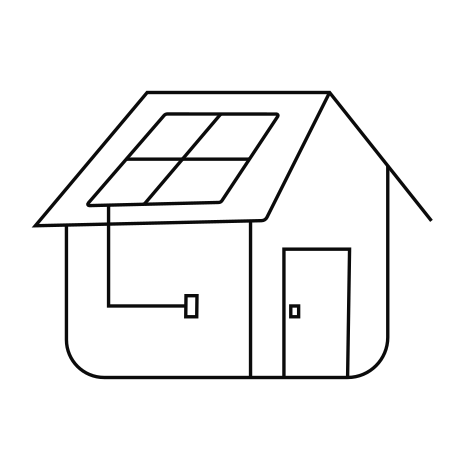
To add to my existing solar system
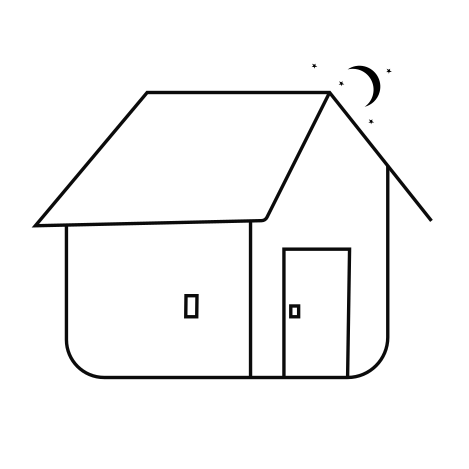
As a standalone for off-peak charging
