Frequently Asked Questions
None - No questions provided for evaluation?
No questions have been provided for evaluation, which means there are currently no specific inquiries to address regarding HVAC services or related topics.
What are the benefits of air conditioning?
The benefits of air conditioning are numerous, including improved indoor air quality, enhanced comfort during hot weather, and increased energy efficiency. It helps regulate temperature and humidity, creating a healthier and more pleasant living environment.
How does heating impact energy efficiency?
Heating significantly impacts energy efficiency by determining how much energy is consumed to maintain comfortable indoor temperatures. Efficient heating systems use less energy, reducing utility costs and environmental impact while ensuring optimal performance.
What are common ventilation system issues?
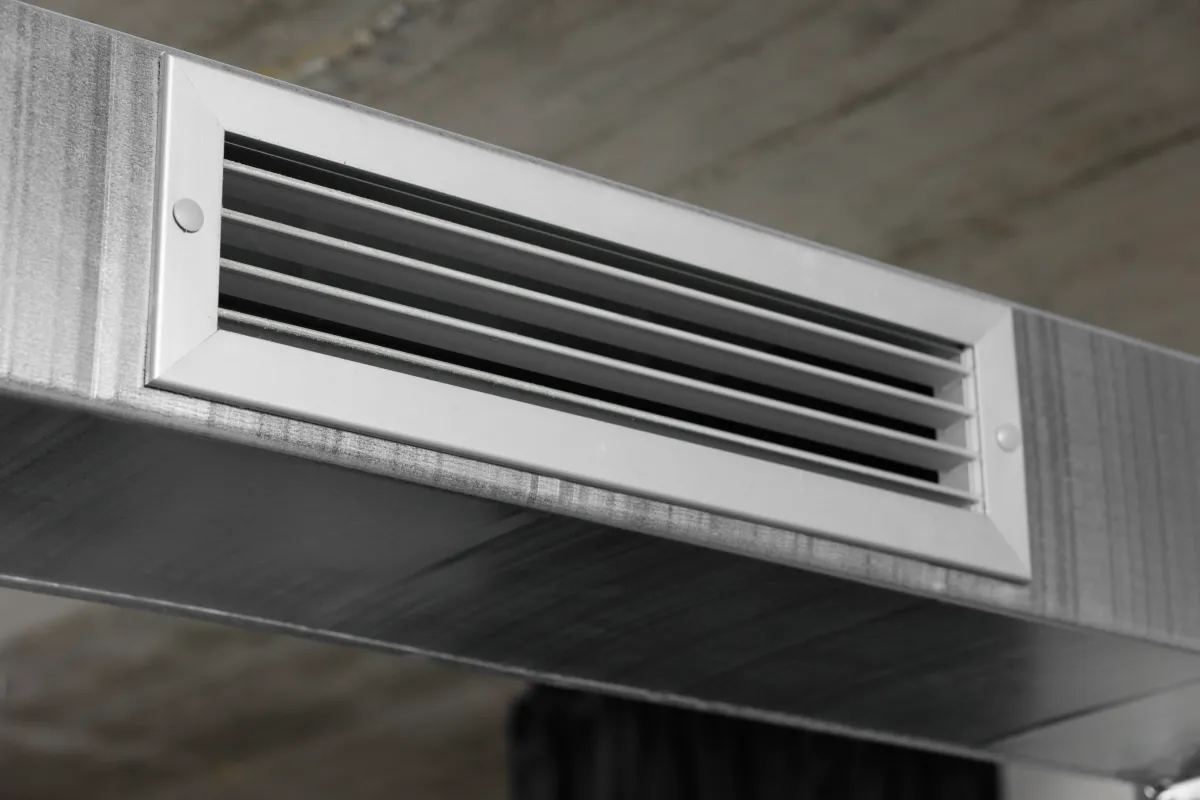
Common ventilation system issues include inadequate airflow, excessive noise, and poor air quality. These problems can result from blocked ducts, malfunctioning fans, or dirty filters, impacting the overall efficiency and comfort of your indoor environment.
How to choose the right HVAC system?
Choosing the right HVAC system involves assessing your space's size, insulation, and specific heating or cooling needs, while considering energy efficiency ratings and budget constraints to ensure optimal comfort and cost-effectiveness.
What maintenance is required for air conditioning?
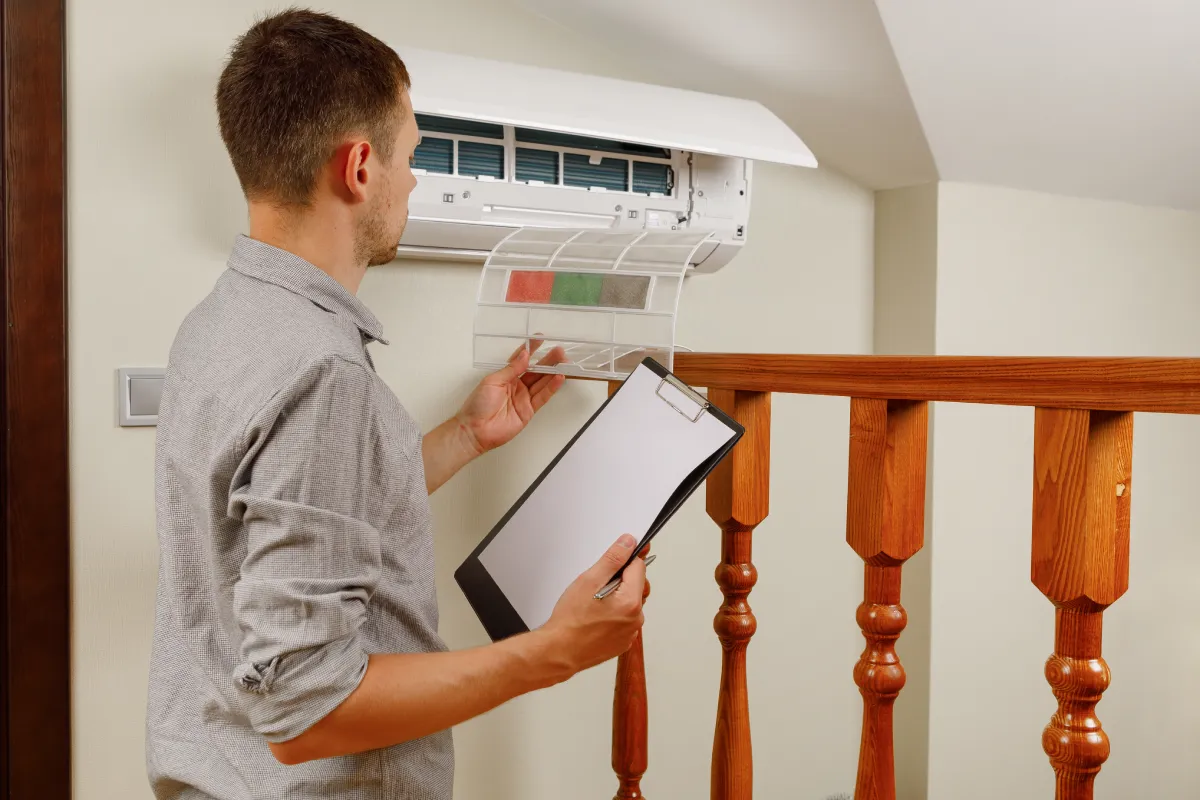
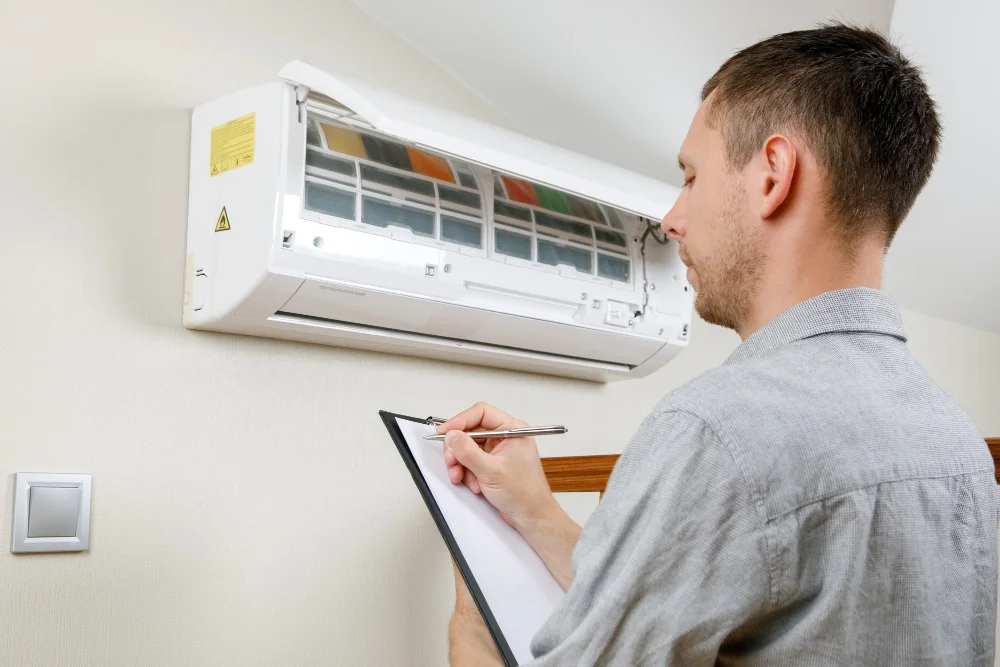
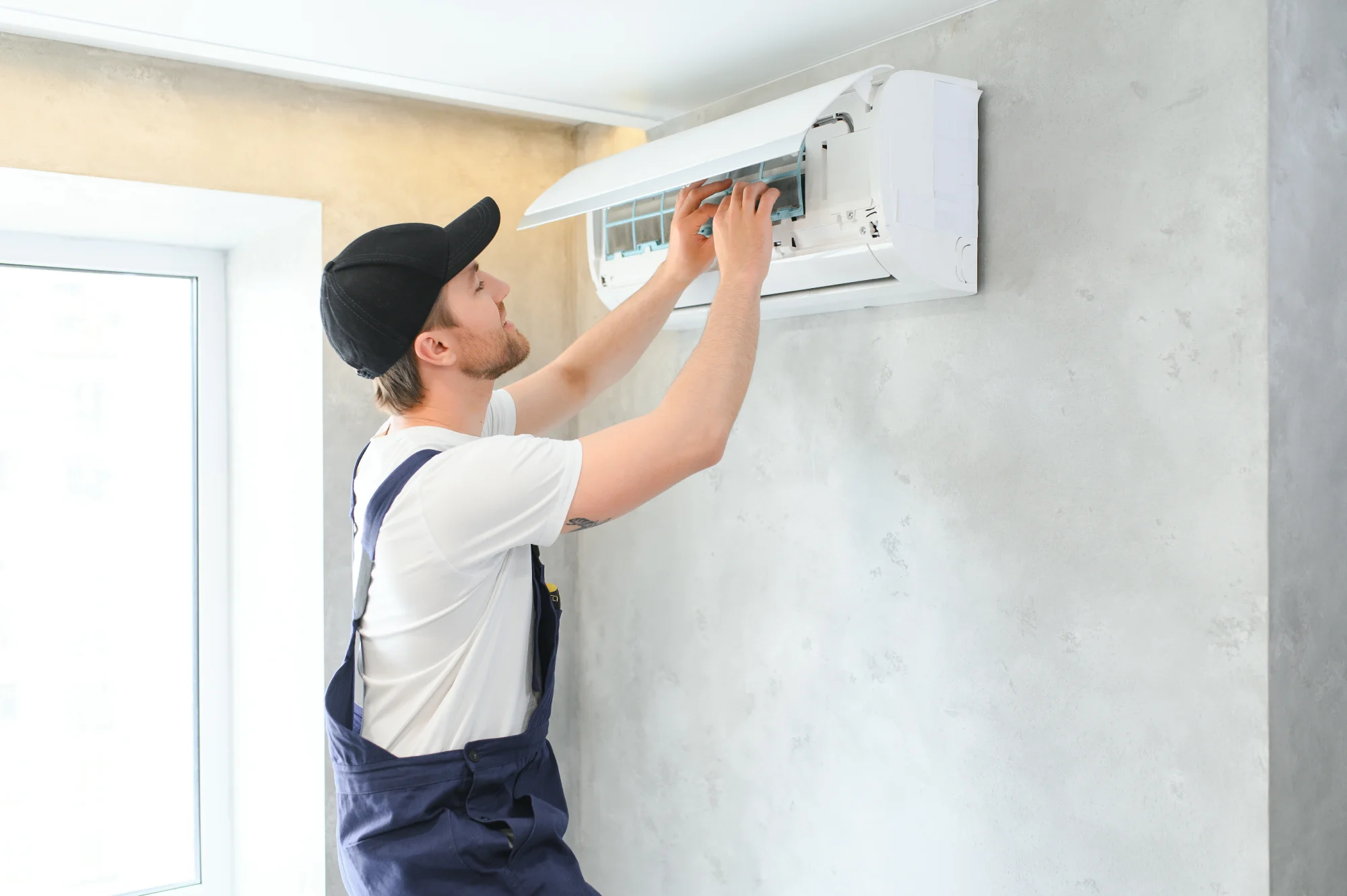
Regular maintenance for air conditioning includes cleaning or replacing filters, checking refrigerant levels, inspecting ductwork for leaks, and ensuring the system's overall efficiency. Scheduling professional maintenance at least once a year is also recommended to prevent issues.
How does refrigeration work in HVAC?
Refrigeration in HVAC works by removing heat from the indoor air and transferring it outside, using a refrigerant that absorbs and releases heat during its phase changes. This process maintains a comfortable indoor temperature.
What are the latest HVAC technologies?
The latest HVAC technologies include smart thermostats, variable refrigerant flow systems, and advanced air purification solutions. These innovations enhance energy efficiency, improve indoor air quality, and provide greater control over heating and cooling systems.
How to improve indoor air quality?
Improving indoor air quality involves several key steps. Regularly ventilate your space, use air purifiers, maintain HVAC systems, and reduce indoor pollutants by avoiding smoking and using non-toxic cleaning products.
What are the signs of HVAC system failure?
The signs of HVAC system failure include unusual noises, inconsistent temperatures, increased energy bills, frequent cycling, and poor air quality. If you notice these issues, it may be time to consult a professional for inspection and repair.
How often should HVAC systems be serviced?
HVAC systems should be serviced at least once a year to ensure optimal performance and longevity. Regular maintenance helps prevent breakdowns and improves energy efficiency.
What is the role of insulation in HVAC?
The role of insulation in HVAC is to maintain temperature control within a building by reducing heat transfer. This enhances energy efficiency, lowers utility costs, and improves overall comfort by preventing unwanted heat gain or loss.
How to troubleshoot heating problems?
Troubleshooting heating problems involves checking the thermostat settings, ensuring the system is powered on, inspecting filters for clogs, and verifying that vents are unobstructed. If issues persist, consulting a professional may be necessary.
What are energy-efficient heating options?
Energy-efficient heating options include modern technologies such as heat pumps, condensing boilers, and electric radiators, which reduce energy consumption while maintaining comfort. These systems not only lower utility bills but also contribute to a more sustainable environment.
How does humidity affect air conditioning?
Humidity significantly impacts air conditioning performance. High humidity levels can make it harder for air conditioners to cool spaces efficiently, as they must work harder to remove moisture, potentially leading to increased energy consumption and reduced comfort.
What are the costs of HVAC installation?
The costs of HVAC installation vary based on system type, size, and complexity. On average, you can expect to pay between £2,000 and £7,000, including equipment and labour, but specific quotes should be obtained for accurate pricing.
How to select a reliable HVAC contractor?
Selecting a reliable HVAC contractor involves researching their credentials, checking online reviews, and ensuring they are licensed and insured. Additionally, ask for detailed estimates and inquire about warranties to gauge their professionalism and commitment to quality service.
What are the environmental impacts of HVAC systems?
The environmental impacts of HVAC systems include energy consumption, which contributes to greenhouse gas emissions, and the potential release of refrigerants that can harm the ozone layer. Proper maintenance and energy-efficient systems can mitigate these effects.
How to optimise HVAC system performance?
Optimising HVAC system performance involves regular maintenance, ensuring proper insulation, using programmable thermostats, and upgrading to energy-efficient equipment. These steps enhance efficiency, reduce energy costs, and improve overall comfort in your space.
What are the best practices for ventilation?
The best practices for ventilation include ensuring adequate air exchange, using energy-efficient systems, regularly maintaining equipment, and strategically placing vents to enhance airflow throughout the space. This promotes comfort and indoor air quality in HVAC systems.
How to reduce HVAC energy consumption?
Reducing HVAC energy consumption involves regular maintenance, using programmable thermostats, sealing leaks, and upgrading to energy-efficient systems. These strategies help optimise performance and lower energy bills while maintaining comfort.
What are the latest trends in HVAC design?
The latest trends in HVAC design focus on energy efficiency, smart technology integration, and sustainable materials. Innovations such as variable refrigerant flow systems and advanced air filtration are becoming increasingly popular to enhance comfort and reduce environmental impact.
How to ensure proper HVAC system sizing?
Ensuring proper HVAC system sizing involves calculating the heating and cooling loads based on your space's square footage, insulation, and occupancy. Consulting a professional can help achieve optimal efficiency and comfort.
What are the advantages of smart thermostats?
The advantages of smart thermostats include enhanced energy efficiency, remote control via smartphone apps, and the ability to learn user preferences, ultimately leading to cost savings and improved comfort in your home.
How to maintain optimal temperature control?
Maintaining optimal temperature control involves regularly servicing your HVAC system, ensuring proper insulation, and using programmable thermostats to adjust settings based on occupancy. This approach enhances comfort and energy efficiency in your space.
What are common misconceptions about HVAC systems?
Common misconceptions about HVAC systems include the belief that regular maintenance isn't necessary, that higher efficiency units always mean lower energy bills, and that all HVAC systems are the same. Understanding these myths helps ensure better performance and efficiency.
How does air quality affect health?
Air quality significantly affects health by influencing respiratory and cardiovascular conditions. Poor air quality can lead to increased asthma attacks, allergies, and other serious health issues, emphasizing the importance of maintaining clean indoor and outdoor environments.
What are the regulations for HVAC systems?
The regulations for HVAC systems encompass safety standards, energy efficiency guidelines, and environmental compliance, which vary by region. Adhering to these regulations ensures proper installation and operation, promoting safety and sustainability in heating, ventilation, and air conditioning.
How to extend the lifespan of HVAC equipment?
Extending the lifespan of HVAC equipment involves regular maintenance, such as changing filters, scheduling professional inspections, and ensuring proper insulation and airflow. These practices help optimise performance and prevent costly breakdowns.
What are the benefits of regular HVAC inspections?
The benefits of regular HVAC inspections include improved energy efficiency, extended system lifespan, and enhanced indoor air quality. These inspections help identify potential issues early, ensuring your heating and cooling systems operate optimally and reliably.