
Comprehensive Air Conditioner Installation Service for Homes and Offices
Choosing air conditioning for a property is no longer just about staying cool during the summer. Modern systems are designed to provide year-round comfort, improved air quality, and energy-efficient temperature control for both homes and workplaces. In Kilmarnock, demand for well-designed air conditioning systems has grown steadily, particularly as more people work from home and…

Why you can trust our content
We know the air conditioning industry can be confusing, but we only rely on trusted sources, including:



At a glance
Choosing air conditioning for a property is no longer just about staying cool during the summer. Modern systems are designed to provide year-round comfort, improved air quality, and energy-efficient temperature control for both homes and workplaces.
In Kilmarnock, demand for well-designed air conditioning systems has grown steadily, particularly as more people work from home and businesses focus on staff comfort. This guide explains how a comprehensive installation process works, what decisions matter most, and how to plan an installation that delivers long-term value rather than short-term fixes.
If you would like early-stage guidance tailored to your property, you can speak with our team for practical advice before committing to a system.
What does a comprehensive air conditioning installation include?
A professional installation should cover far more than fitting equipment to a wall. A comprehensive approach looks at how the system will perform over its full lifespan.
Typically, this includes:
- A detailed assessment of the building layout and usage
- Heat gain and heat loss calculations for each space
- Advice on system type, capacity, and placement
- Professional installation, testing, and commissioning
- Clear guidance on operation and ongoing maintenance
A reliable air conditioner installation service brings these elements together, ensuring the system is efficient, compliant, and suitable for the property rather than oversized or underpowered.
Is air conditioning suitable for both homes and offices?
Yes, but the requirements often differ. Domestic installations tend to focus on comfort, quiet operation, and visual discretion, while offices may prioritise zoning, airflow control, and energy monitoring.
For homes, air conditioning is commonly installed in:
- Bedrooms
- Living areas
- Home offices
- Loft conversions
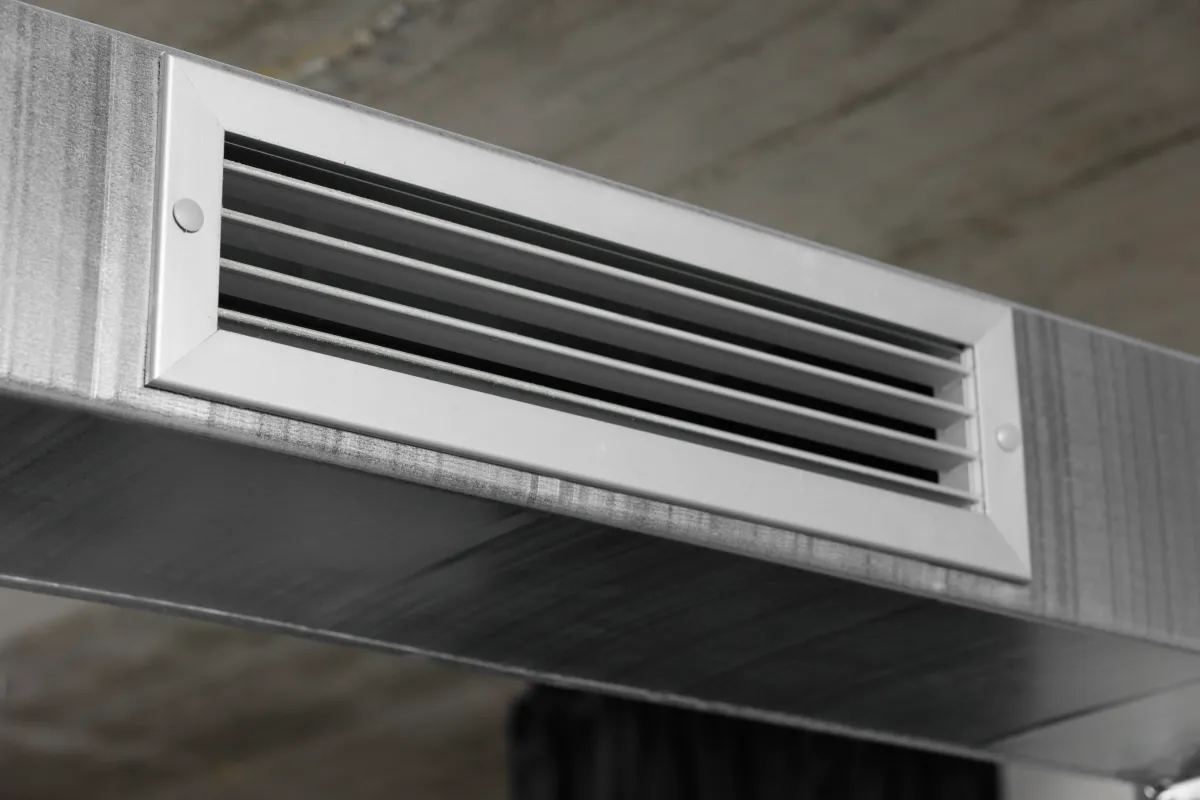
In offices and commercial spaces, systems are often designed to serve multiple rooms with consistent temperatures and controlled airflow throughout the day.
A tailored design ensures the system supports how the space is actually used, rather than applying a one-size-fits-all solution.
Why are wall-mounted systems so popular?
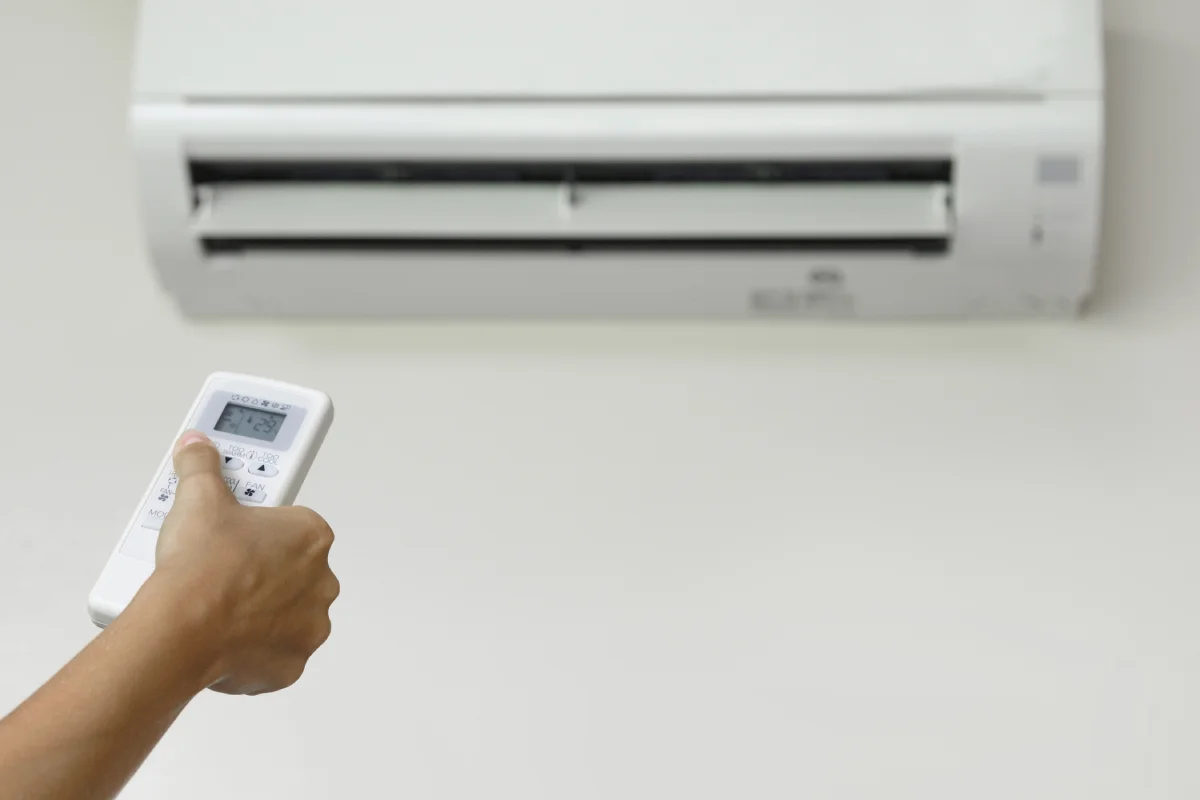
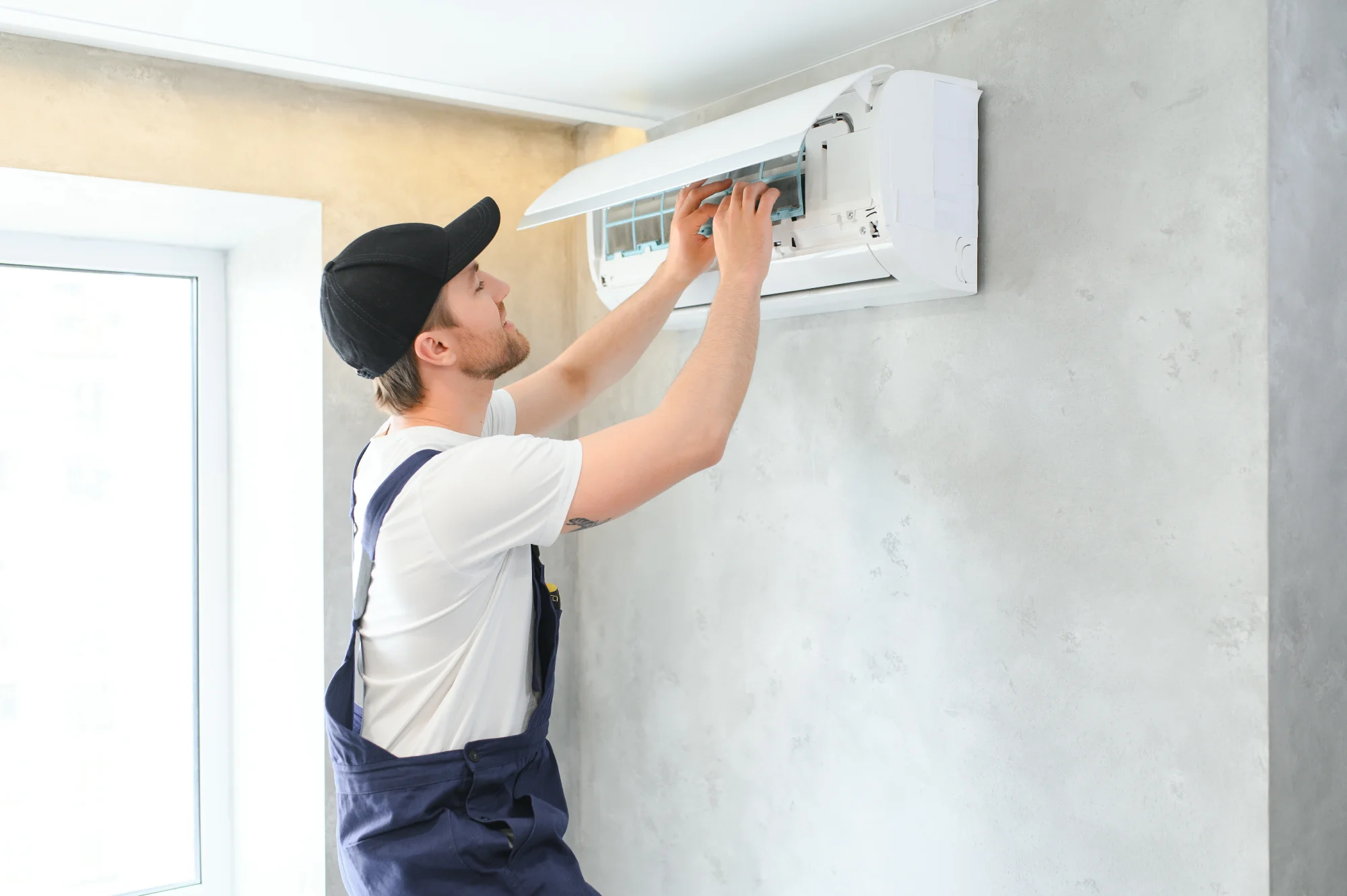
Wall-mounted systems remain one of the most popular choices for residential and small commercial properties due to their balance of performance and practicality.
A wall mounted air conditioning unit is typically:
- Compact and visually discreet
- Suitable for individual rooms or zones
- Quick to install with minimal disruption
- Easy to control with modern thermostats or apps
When installed correctly, these systems provide efficient cooling and heating without dominating the room visually or acoustically. Placement is critical, however, as poor positioning can affect airflow and comfort levels.


What type of property do you have?

Semi-Detached

Detached

Terraced

Bungalow

Flat

Commercial or Small Office
It just takes 60 seconds
And then you can book a free consultation
How is the right system size calculated?
System sizing is one of the most important steps in the installation process. An undersized unit may struggle to maintain temperature, while an oversized system can cycle too frequently, increasing wear and energy use.
Installers assess factors such as:
- Room dimensions and ceiling height
- Insulation levels
- Window size and orientation
- Occupancy and equipment heat output
This calculation ensures the selected system delivers steady performance without unnecessary strain, helping to reduce running costs over time.
What should homeowners and businesses expect during installation?
A professional installation is typically completed within one to two days, depending on system complexity. Most of the work is planned to minimise disruption.
The process usually follows this structure:
| Installation Stage | What Happens |
| Pre-install survey | Measurements, system design, and placement planning |
| Equipment fitting | Indoor and outdoor units installed securely |
| Electrical works | Power supply and controls connected safely |
| Commissioning | System tested, balanced, and set up |
| Handover | User guidance and maintenance advice provided |
At this stage, many property owners choose to discuss servicing options to protect efficiency long term.
How does air conditioning improve efficiency year-round?
Modern systems are designed to both cool and heat spaces efficiently. In milder months, air conditioning can be a cost-effective alternative to traditional heating, particularly in well-insulated properties.
Benefits include:
- Precise temperature control
- Reduced reliance on radiators or portable heaters
- Improved indoor air circulation
- Consistent comfort across seasons
Over time, a well-maintained system can contribute to lower overall energy consumption when used correctly.
Example scenario: a typical Kilmarnock installation
A common scenario involves a semi-detached home with a home office and south-facing living space. The homeowner experiences overheating in summer and inconsistent warmth in winter.
After assessment, a multi-room system is designed with individual controls for each space. The result is quieter operation, balanced temperatures, and improved comfort throughout the day without relying on multiple standalone units.
This type of outcome depends on careful planning rather than rushing straight to installation.
How often should air conditioning systems be maintained?
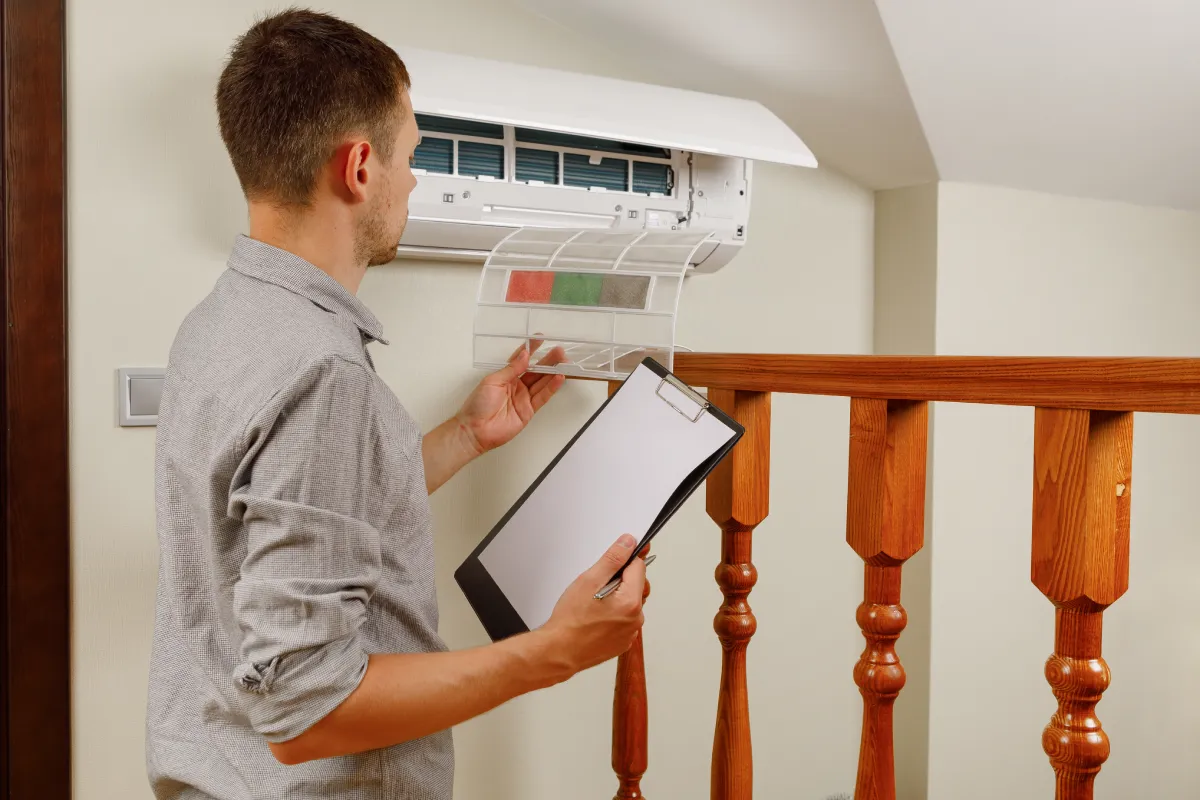
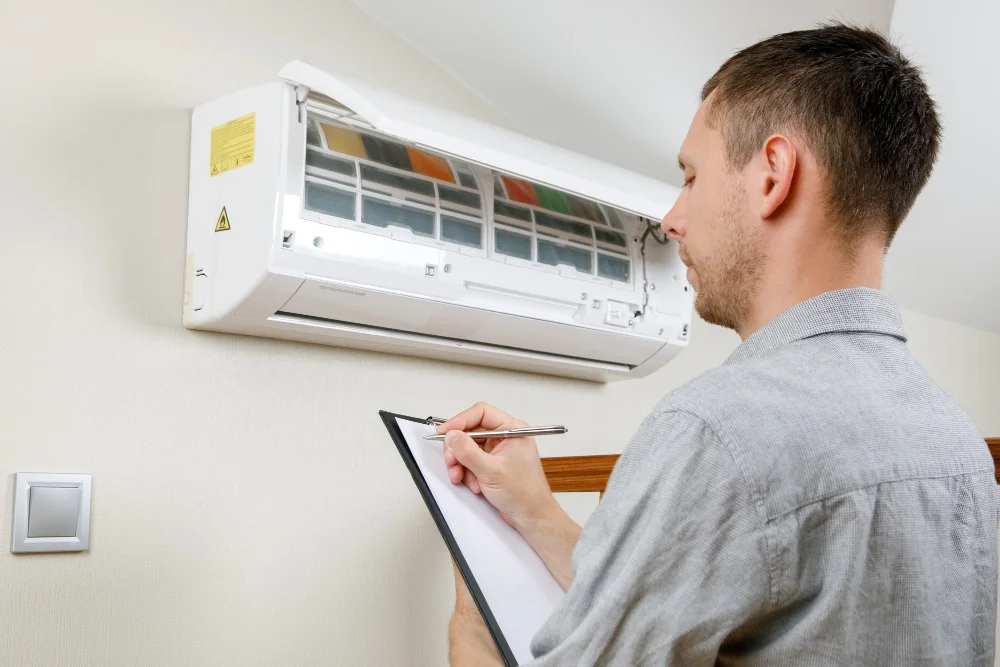
Maintenance is essential for reliability, efficiency, and air quality. Most systems benefit from professional servicing at least once a year, with higher-use commercial systems sometimes requiring more frequent checks.
Regular maintenance helps to:
- Prevent unexpected breakdowns
- Maintain efficient airflow
- Extend equipment lifespan
- Ensure hygienic operation
A comprehensive air conditioner installation service should always include clear guidance on servicing intervals and responsibilities.
Related articles
What type of property do you have?
Semi-Detached
Detached
Terrace
Bungalow
Flat
Commercial or Small Office
At a glance
Choosing air conditioning for a property is no longer just about staying cool during the summer. Modern systems are designed to provide year-round comfort, improved air quality, and energy-efficient temperature control for both homes and workplaces.
In Kilmarnock, demand for well-designed air conditioning systems has grown steadily, particularly as more people work from home and businesses focus on staff comfort. This guide explains how a comprehensive installation process works, what decisions matter most, and how to plan an installation that delivers long-term value rather than short-term fixes.
If you would like early-stage guidance tailored to your property, you can speak with our team for practical advice before committing to a system.
What does a comprehensive air conditioning installation include?
A professional installation should cover far more than fitting equipment to a wall. A comprehensive approach looks at how the system will perform over its full lifespan.
Typically, this includes:
- A detailed assessment of the building layout and usage
- Heat gain and heat loss calculations for each space
- Advice on system type, capacity, and placement
- Professional installation, testing, and commissioning
- Clear guidance on operation and ongoing maintenance
A reliable air conditioner installation service brings these elements together, ensuring the system is efficient, compliant, and suitable for the property rather than oversized or underpowered.
Is air conditioning suitable for both homes and offices?
Yes, but the requirements often differ. Domestic installations tend to focus on comfort, quiet operation, and visual discretion, while offices may prioritise zoning, airflow control, and energy monitoring.
For homes, air conditioning is commonly installed in:
- Bedrooms
- Living areas
- Home offices
- Loft conversions
In offices and commercial spaces, systems are often designed to serve multiple rooms with consistent temperatures and controlled airflow throughout the day.
A tailored design ensures the system supports how the space is actually used, rather than applying a one-size-fits-all solution.
Why are wall-mounted systems so popular?
Wall-mounted systems remain one of the most popular choices for residential and small commercial properties due to their balance of performance and practicality.
A wall mounted air conditioning unit is typically:
- Compact and visually discreet
- Suitable for individual rooms or zones
- Quick to install with minimal disruption
- Easy to control with modern thermostats or apps
When installed correctly, these systems provide efficient cooling and heating without dominating the room visually or acoustically. Placement is critical, however, as poor positioning can affect airflow and comfort levels.
What type of property do you have?
Semi-Detached
Detached
Terraced
Bungalow
Flat
Commercial or Small Office
It just takes 60 seconds
And then you can book a free consultation
How is the right system size calculated?
System sizing is one of the most important steps in the installation process. An undersized unit may struggle to maintain temperature, while an oversized system can cycle too frequently, increasing wear and energy use.
Installers assess factors such as:
- Room dimensions and ceiling height
- Insulation levels
- Window size and orientation
- Occupancy and equipment heat output
This calculation ensures the selected system delivers steady performance without unnecessary strain, helping to reduce running costs over time.
What should homeowners and businesses expect during installation?
A professional installation is typically completed within one to two days, depending on system complexity. Most of the work is planned to minimise disruption.
The process usually follows this structure:
| Installation Stage | What Happens |
| Pre-install survey | Measurements, system design, and placement planning |
| Equipment fitting | Indoor and outdoor units installed securely |
| Electrical works | Power supply and controls connected safely |
| Commissioning | System tested, balanced, and set up |
| Handover | User guidance and maintenance advice provided |
At this stage, many property owners choose to discuss servicing options to protect efficiency long term.
How does air conditioning improve efficiency year-round?
Modern systems are designed to both cool and heat spaces efficiently. In milder months, air conditioning can be a cost-effective alternative to traditional heating, particularly in well-insulated properties.
Benefits include:
- Precise temperature control
- Reduced reliance on radiators or portable heaters
- Improved indoor air circulation
- Consistent comfort across seasons
Over time, a well-maintained system can contribute to lower overall energy consumption when used correctly.
Example scenario: a typical Kilmarnock installation
A common scenario involves a semi-detached home with a home office and south-facing living space. The homeowner experiences overheating in summer and inconsistent warmth in winter.
After assessment, a multi-room system is designed with individual controls for each space. The result is quieter operation, balanced temperatures, and improved comfort throughout the day without relying on multiple standalone units.
This type of outcome depends on careful planning rather than rushing straight to installation.
How often should air conditioning systems be maintained?
Maintenance is essential for reliability, efficiency, and air quality. Most systems benefit from professional servicing at least once a year, with higher-use commercial systems sometimes requiring more frequent checks.
Regular maintenance helps to:
- Prevent unexpected breakdowns
- Maintain efficient airflow
- Extend equipment lifespan
- Ensure hygienic operation
A comprehensive air conditioner installation service should always include clear guidance on servicing intervals and responsibilities.
Related articles
What type of property do you have?
Semi-Detached
Detached
Terrace
Bungalow
Flat
Commercial or Small Office
