
Price of Heating and Cooling Installation: How to Budget in 2025
Heating and cooling systems play a vital role in creating a comfortable home environment, especially in Ayrshire and Kilmarnock where temperatures fluctuate widely throughout the year. With 2025 bringing rising energy prices, improved technology and increasing demand for energy-efficient systems, homeowners want to understand the price of heating and cooling installation more clearly before making…

Why you can trust our content
We know the air conditioning industry can be confusing, but we only rely on trusted sources, including:



At a glance
Heating and cooling systems play a vital role in creating a comfortable home environment, especially in Ayrshire and Kilmarnock where temperatures fluctuate widely throughout the year. With 2025 bringing rising energy prices, improved technology and increasing demand for energy-efficient systems, homeowners want to understand the price of heating and cooling installation more clearly before making an investment.
From ducted air conditioning installation cost to heat pumps and modern climate control systems, budgeting properly ensures you avoid unexpected expenses and choose the right solution for your home. This comprehensive guide explains exactly what influences installation costs, how much you can expect to pay in 2025 and how Stewart Temperature Solutions helps homeowners choose the right system with confidence.
Why Heating and Cooling Costs Matter More in 2025
Energy efficiency is no longer a luxury. With rising fuel bills and more extreme seasonal temperature changes, many homeowners are upgrading to modern heating and cooling systems to:
- Reduce long-term energy costs
- Improve indoor comfort throughout the year
- Increase property value
- Reduce carbon emissions
- Benefit from improved technology and smart climate control
Whether you are installing air conditioning for the first time or upgrading an outdated heating system, understanding the financial landscape in 2025 is the first step toward informed planning.
Average Cost of Heating and Cooling Installation in 2025
Installation costs vary depending on system type, property size, existing infrastructure and system efficiency. Below is an overview of average price ranges homeowners in Ayrshire can expect in 2025.
Air Conditioning Installation Costs (2025)
1. Ducted Air Conditioning Installation Cost
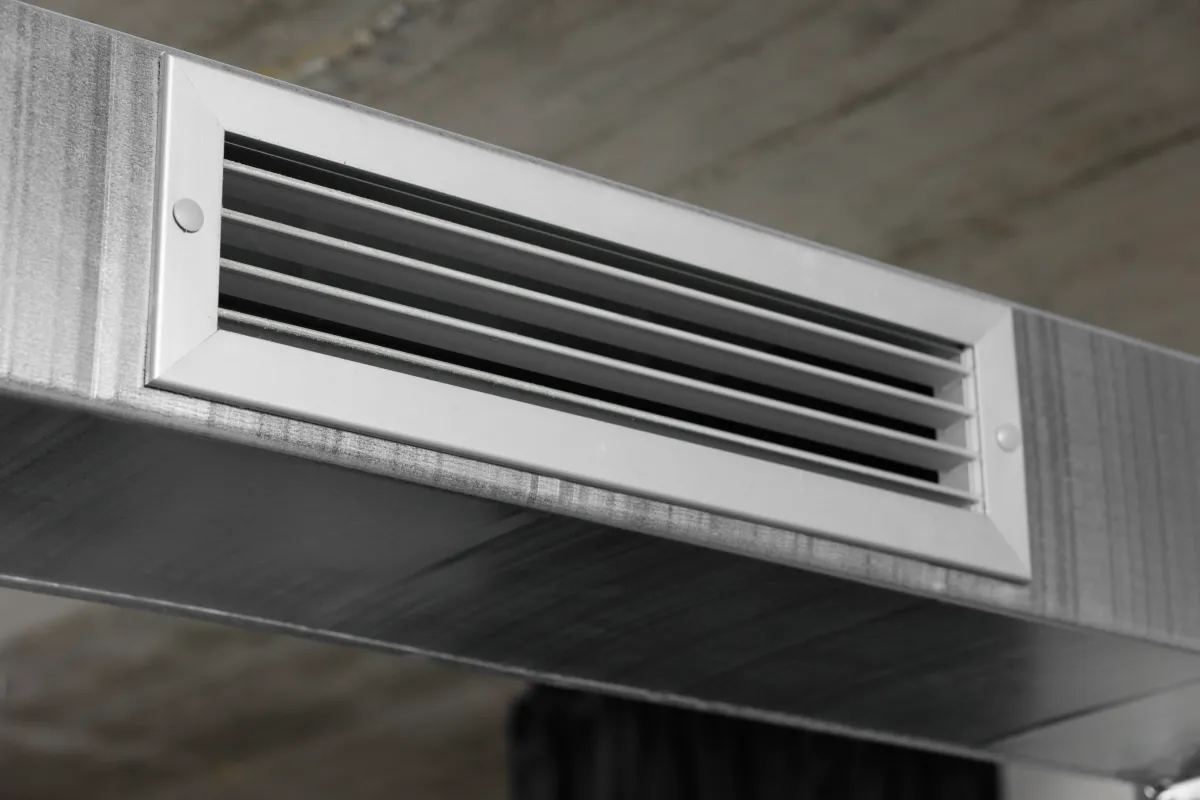
A full ducted system distributes warm or cool air through vents installed across the property.
- Small home (1–2 bedrooms): £4,500 – £7,000
- Medium home (3 bedrooms): £6,500 – £9,000
- Large home (4–5 bedrooms): £8,500 – £12,000+
Prices depend heavily on ductwork complexity, ceiling space, number of vents and system efficiency. Ducted air conditioning offers whole-home comfort and excellent temperature control, making it a premium choice for homeowners seeking convenience and efficiency.
2. Split System Air Conditioning Cost
Split systems provide heating and cooling for individual rooms.
- Single indoor unit: £1,500 – £2,800
- Dual split system: £2,800 – £4,000
- Multi-split system: £4,000 – £7,000
Split systems are affordable and energy-efficient, making them a popular option for targeted temperature control.
Heating System Installation Costs (2025)
1. Heat Pump Installation Costs
Heat pumps are one of the most energy-efficient solutions available in 2025.
- Air source heat pump installation: £7,000 – £13,000
- Ground source heat pump installation: £15,000 – £25,000
Although upfront costs are higher, heat pumps significantly reduce annual energy consumption.
2. Boiler Installation Costs
Boiler prices vary based on type and property requirements.
- Combi boiler installation: £2,000 – £3,000
- System boiler installation: £2,500 – £4,000
- Heat-only boiler installation: £2,000 – £3,500
Modern boilers offer higher efficiency ratings and lower lifetime running costs.
Key Factors That Affect the Price of Heating and Cooling Installation
Understanding the variables behind installation costs ensures you can plan your budget effectively. Below are the most important factors influencing pricing in 2025.
1. System Type
Each heating or cooling system comes with unique installation requirements, leading to cost differences.
- Heat pumps require outdoor units and upgraded pipework.
- Ducted AC requires extensive ductwork.
- Split systems need less labour.
- Boilers require flue installation and safety checks.
Choosing the right system for your property has the biggest impact on your budget.
2. Property Size and Layout
Larger or more complex homes require more materials and labour.
Factors increasing cost include:
- Multiple storeys
- Limited ceiling space for ducts
- Difficult access points
- Need for additional pipe or cable runs
Ducted systems especially require careful planning to ensure optimal airflow throughout the home.
3. Energy Efficiency Level
More efficient units usually cost more upfront but reduce long-term energy bills.
Options include:
- High SEER-rated air conditioning units
- Heat pumps with advanced inverter technology
- Smart thermostats and zoning systems
Investing in efficiency increases the value of your property and helps protect you from rising energy costs.
4. Existing Infrastructure
If your home already has ductwork, pipework or electrical capacity, installation costs may reduce significantly. Homes without infrastructure may require:
- New electrical circuits
- New duct systems
- Upgraded insulation
- Additional ventilation upgrades
Your installer will assess your current setup to determine what additional work is needed.
5. Installation Complexity
Some homes require more labour due to:
- Limited outdoor space for heat pumps
- Difficult roof or attic access
- Older properties needing structural adjustments
- Narrow voids or tight ceiling cavities
Complex installations naturally cost more and require experienced professionals to avoid future issues.


What type of property do you have?

Semi-Detached

Detached

Terraced

Bungalow

Flat

Commercial or Small Office
It just takes 60 seconds
And then you can book a free consultation
6. Additional Features and Upgrades
Optional extras can enhance comfort and energy efficiency.
Examples include:
- Smart climate controls
- Air purification filters
- Zoning systems
- UV sterilisation systems
- Noise reduction upgrades
These features add to installation costs but provide long-term value.
Budgeting for Heating and Cooling Installation in 2025
Proper budgeting ensures you plan for all potential costs, including maintenance and long-term energy savings.
Build Your Budget in Four Steps
1. Establish Your Total Budget Limit
Determine how much you are comfortable spending, whether upgrading a single room temperature system or installing a whole-home climate control system.
2. Consider Long-Term Running Costs
A more efficient system may cost more upfront, but will likely save you more annually.
3. Request Multiple Quotes
Always compare detailed quotations from reputable local companies. Stewart Temperature Solutions provides transparent, itemised pricing to help customers make informed decisions.
4. Explore Finance Options
To make installations more affordable, many homeowners choose finance solutions such as:
- Monthly payment options
- Low-interest finance
- Zero-deposit installation plans
Finance allows you to spread the cost over manageable periods.
How to Choose the Right System for Your Home
Selecting the correct heating and cooling system ensures comfort, efficiency and long-term reliability.
Consider These Factors:
- Your property size
- Your insulation levels
- Number of rooms requiring temperature control
- Whether you want to heat and cool the entire home
- Your long-term energy savings goals
- Whether you want smart or app-based controls
Stewart Temperature Solutions offers professional assessments to recommend the ideal system for each home.
Why Ducted Air Conditioning Is Popular in Ayrshire and Kilmarnock
Although ducted air conditioning systems are more expensive than split units, they offer several advantages:
- Whole-home temperature control
- Quiet operation
- Hidden vents for a clean aesthetic
- Even air distribution
- Integration with smart climate systems
Many homeowners upgrading in 2025 choose ducted systems for long-term comfort and energy savings.
How Stewart Temperature Solutions Keeps Installation Costs Fair
Stewart Temperature Solutions is committed to transparent pricing, high-quality equipment and exceptional workmanship.
Homeowners choose them because they offer:
- Local Ayrshire expertise
- Transparent, fixed pricing
- Professional advice tailored to your property
- High-efficiency heating and cooling solutions
- Accredited installers
- Long-term product and workmanship warranties
- Excellent aftercare
Local knowledge is essential when designing heating and cooling systems that suit Ayrshire’s climate and property styles.
Related articles
What type of property do you have?
Semi-Detached
Detached
Terrace
Bungalow
Flat
Commercial or Small Office
At a glance
Heating and cooling systems play a vital role in creating a comfortable home environment, especially in Ayrshire and Kilmarnock where temperatures fluctuate widely throughout the year. With 2025 bringing rising energy prices, improved technology and increasing demand for energy-efficient systems, homeowners want to understand the price of heating and cooling installation more clearly before making an investment.
From ducted air conditioning installation cost to heat pumps and modern climate control systems, budgeting properly ensures you avoid unexpected expenses and choose the right solution for your home. This comprehensive guide explains exactly what influences installation costs, how much you can expect to pay in 2025 and how Stewart Temperature Solutions helps homeowners choose the right system with confidence.
Why Heating and Cooling Costs Matter More in 2025
Energy efficiency is no longer a luxury. With rising fuel bills and more extreme seasonal temperature changes, many homeowners are upgrading to modern heating and cooling systems to:
- Reduce long-term energy costs
- Improve indoor comfort throughout the year
- Increase property value
- Reduce carbon emissions
- Benefit from improved technology and smart climate control
Whether you are installing air conditioning for the first time or upgrading an outdated heating system, understanding the financial landscape in 2025 is the first step toward informed planning.
Average Cost of Heating and Cooling Installation in 2025
Installation costs vary depending on system type, property size, existing infrastructure and system efficiency. Below is an overview of average price ranges homeowners in Ayrshire can expect in 2025.
Air Conditioning Installation Costs (2025)
1. Ducted Air Conditioning Installation Cost
A full ducted system distributes warm or cool air through vents installed across the property.
- Small home (1–2 bedrooms): £4,500 – £7,000
- Medium home (3 bedrooms): £6,500 – £9,000
- Large home (4–5 bedrooms): £8,500 – £12,000+
Prices depend heavily on ductwork complexity, ceiling space, number of vents and system efficiency. Ducted air conditioning offers whole-home comfort and excellent temperature control, making it a premium choice for homeowners seeking convenience and efficiency.
2. Split System Air Conditioning Cost
Split systems provide heating and cooling for individual rooms.
- Single indoor unit: £1,500 – £2,800
- Dual split system: £2,800 – £4,000
- Multi-split system: £4,000 – £7,000
Split systems are affordable and energy-efficient, making them a popular option for targeted temperature control.
Heating System Installation Costs (2025)
1. Heat Pump Installation Costs
Heat pumps are one of the most energy-efficient solutions available in 2025.
- Air source heat pump installation: £7,000 – £13,000
- Ground source heat pump installation: £15,000 – £25,000
Although upfront costs are higher, heat pumps significantly reduce annual energy consumption.
2. Boiler Installation Costs
Boiler prices vary based on type and property requirements.
- Combi boiler installation: £2,000 – £3,000
- System boiler installation: £2,500 – £4,000
- Heat-only boiler installation: £2,000 – £3,500
Modern boilers offer higher efficiency ratings and lower lifetime running costs.
Key Factors That Affect the Price of Heating and Cooling Installation
Understanding the variables behind installation costs ensures you can plan your budget effectively. Below are the most important factors influencing pricing in 2025.
1. System Type
Each heating or cooling system comes with unique installation requirements, leading to cost differences.
- Heat pumps require outdoor units and upgraded pipework.
- Ducted AC requires extensive ductwork.
- Split systems need less labour.
- Boilers require flue installation and safety checks.
Choosing the right system for your property has the biggest impact on your budget.
2. Property Size and Layout
Larger or more complex homes require more materials and labour.
Factors increasing cost include:
- Multiple storeys
- Limited ceiling space for ducts
- Difficult access points
- Need for additional pipe or cable runs
Ducted systems especially require careful planning to ensure optimal airflow throughout the home.
3. Energy Efficiency Level
More efficient units usually cost more upfront but reduce long-term energy bills.
Options include:
- High SEER-rated air conditioning units
- Heat pumps with advanced inverter technology
- Smart thermostats and zoning systems
Investing in efficiency increases the value of your property and helps protect you from rising energy costs.
4. Existing Infrastructure
If your home already has ductwork, pipework or electrical capacity, installation costs may reduce significantly. Homes without infrastructure may require:
- New electrical circuits
- New duct systems
- Upgraded insulation
- Additional ventilation upgrades
Your installer will assess your current setup to determine what additional work is needed.
5. Installation Complexity
Some homes require more labour due to:
- Limited outdoor space for heat pumps
- Difficult roof or attic access
- Older properties needing structural adjustments
- Narrow voids or tight ceiling cavities
Complex installations naturally cost more and require experienced professionals to avoid future issues.
What type of property do you have?
Semi-Detached
Detached
Terraced
Bungalow
Flat
Commercial or Small Office
It just takes 60 seconds
And then you can book a free consultation
6. Additional Features and Upgrades
Optional extras can enhance comfort and energy efficiency.
Examples include:
- Smart climate controls
- Air purification filters
- Zoning systems
- UV sterilisation systems
- Noise reduction upgrades
These features add to installation costs but provide long-term value.
Budgeting for Heating and Cooling Installation in 2025
Proper budgeting ensures you plan for all potential costs, including maintenance and long-term energy savings.
Build Your Budget in Four Steps
1. Establish Your Total Budget Limit
Determine how much you are comfortable spending, whether upgrading a single room temperature system or installing a whole-home climate control system.
2. Consider Long-Term Running Costs
A more efficient system may cost more upfront, but will likely save you more annually.
3. Request Multiple Quotes
Always compare detailed quotations from reputable local companies. Stewart Temperature Solutions provides transparent, itemised pricing to help customers make informed decisions.
4. Explore Finance Options
To make installations more affordable, many homeowners choose finance solutions such as:
- Monthly payment options
- Low-interest finance
- Zero-deposit installation plans
Finance allows you to spread the cost over manageable periods.
How to Choose the Right System for Your Home
Selecting the correct heating and cooling system ensures comfort, efficiency and long-term reliability.
Consider These Factors:
- Your property size
- Your insulation levels
- Number of rooms requiring temperature control
- Whether you want to heat and cool the entire home
- Your long-term energy savings goals
- Whether you want smart or app-based controls
Stewart Temperature Solutions offers professional assessments to recommend the ideal system for each home.
Why Ducted Air Conditioning Is Popular in Ayrshire and Kilmarnock
Although ducted air conditioning systems are more expensive than split units, they offer several advantages:
- Whole-home temperature control
- Quiet operation
- Hidden vents for a clean aesthetic
- Even air distribution
- Integration with smart climate systems
Many homeowners upgrading in 2025 choose ducted systems for long-term comfort and energy savings.
How Stewart Temperature Solutions Keeps Installation Costs Fair
Stewart Temperature Solutions is committed to transparent pricing, high-quality equipment and exceptional workmanship.
Homeowners choose them because they offer:
- Local Ayrshire expertise
- Transparent, fixed pricing
- Professional advice tailored to your property
- High-efficiency heating and cooling solutions
- Accredited installers
- Long-term product and workmanship warranties
- Excellent aftercare
Local knowledge is essential when designing heating and cooling systems that suit Ayrshire’s climate and property styles.
Related articles
What type of property do you have?
Semi-Detached
Detached
Terrace
Bungalow
Flat
Commercial or Small Office
